Wisdom Engraced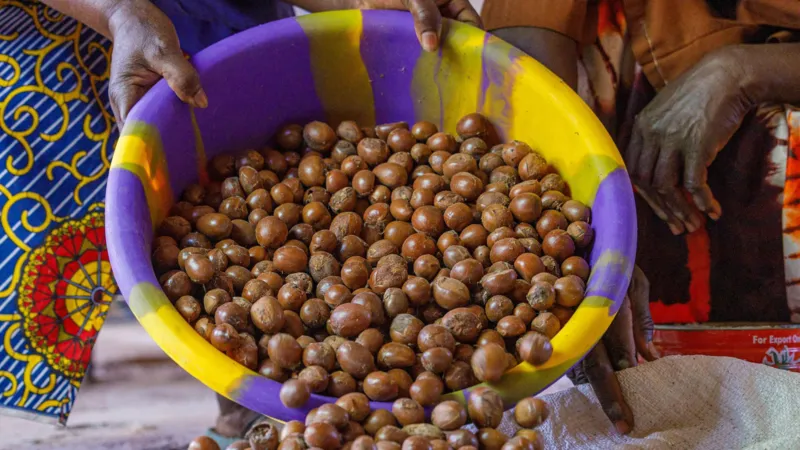
Keep up with the latest news and be part of our weekly giveaways and airtime sharing; follow our WhatsApp channel for more updates. Click to Follow us
Nigeria has imposed a six-month ban on the export of raw shea nuts in a bid to strengthen local processing, boost earnings, and expand its share of the lucrative global shea industry.
For further information, read more details here
Despite producing nearly 40% of the world’s annual shea crop, Nigeria currently accounts for just 1% of the $6.5 billion global market, a situation Vice-President Kashim Shettima described as “unacceptable.”
Announcing the decision at the State House in Abuja, Shettima said the ban would reposition Nigeria from being a raw material exporter to a global supplier of refined shea products.
“It is about industrialisation, rural transformation, gender empowerment and expanding Nigeria’s global trade footprint,” he declared.
Shettima added that the short-term goal is to increase Nigeria’s earnings from shea from $65 million to $300 million annually.
Shea butter — derived from crushing, roasting, and boiling the harvested nuts — is widely used in beauty creams, chocolates, ice cream, and pharmaceuticals. The nuts grow naturally across West to East Africa in the “shea belt,” and in Nigeria, small-scale farmers, mostly women, also cultivate and harvest them.
Minister of Agriculture Abubakar Kyari disclosed that Nigeria produces around 350,000 tonnes of shea nuts annually, with nearly 25% lost to unregulated cross-border informal trade.
Agriculture expert Dr. Ahmed Ismail of the Federal University of Minna welcomed the move, stressing the need for stronger regulation.
“A lot of poor people who grow the crop and rely on it for sustenance are struggling to get by because of a lack of regulation, which means they get so little despite its high value internationally,” he explained.
Dr. Ismail recounted instances of exploitation in rural communities:
“I went to a village and I saw shea nuts in heaps and when I asked, they said someone from the city comes to buy and take them away.”
He described the temporary ban as a bold but overdue step.
“This will not only provide more jobs locally as refining will be done here, but will also enhance income for the government,” he noted.
Please don’t forget to “Allow the notification” so you will be the first to get our gist when we publish it.
Drop your comment in the section below, and don’t forget to share the post


 Jonathan Nwokpor