Sunday Onyeagoziri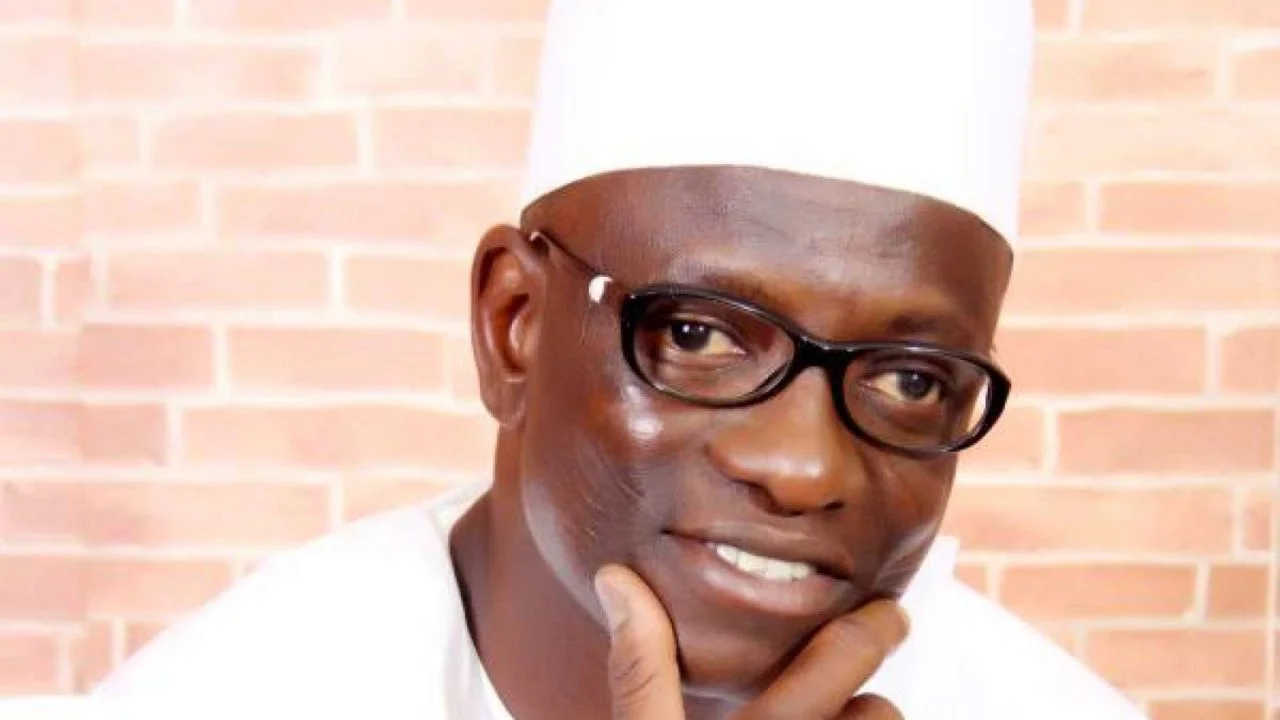
Keep up with the latest news Keep up with the latest news and be part of our weekly giveaways and airtime sharing; follow our WhatsApp channel for more updates. Click to Follow us
Senator Ahmed Aliyu Wadada, representing Nasarawa West in the Nigerian Senate, has revealed his intention to leave the Social Democratic Party (SDP), attributing his decision to irreconcilable differences with some new members, notably former Kaduna State Governor, Malam Nasir El-Rufai.
Speaking to reporters in Keffi on Sunday, Wadada acknowledged that although El-Rufai is his elder brother, he cannot remain in the same political party with someone whose values he no longer respects.
“Even though Malam El-Rufai is my elder brother, I don’t think I can stay with him in the SDP because he is not a principled politician,” Wadada stated.
The senator criticized El-Rufai’s recent political shift, recalling his past strong endorsement of power rotation to the South and his significant role in President Bola Ahmed Tinubu’s nomination as the APC presidential candidate and subsequent victory.
Wadada questioned what had changed since then to justify El-Rufai’s defection to the SDP, especially after failing to secure a ministerial role.
“What changed in President Tinubu between the time El-Rufai supported him and now that he has defected to the SDP?” he asked.
He described the move as selfish and contrary to the values he believes a public official should maintain.
Wadada also praised Senator Abdullahi Adamu for his consistency and integrity, highlighting Adamu’s support for Senator Ahmad Lawan during the APC primaries and his continued loyalty to the party even after Lawan’s defeat.
“That’s the kind of politics I respect—principled, not opportunistic,” he said.
Regarding national issues, Senator Wadada recognized the economic challenges caused by the removal of fuel subsidies but remained hopeful, noting that state governments now have increased funds for development.
He commended Governor Abdullahi Sule of Nasarawa State for effectively utilizing the savings from subsidy removal to enhance infrastructure and social welfare in the state.
“In Nasarawa State, the impact of the oil subsidy funds is visible everywhere—even to the most gullible and the blind,” he added.

 Mazi Nwokpor Jonathan