Mazi Nwokpor Jonathan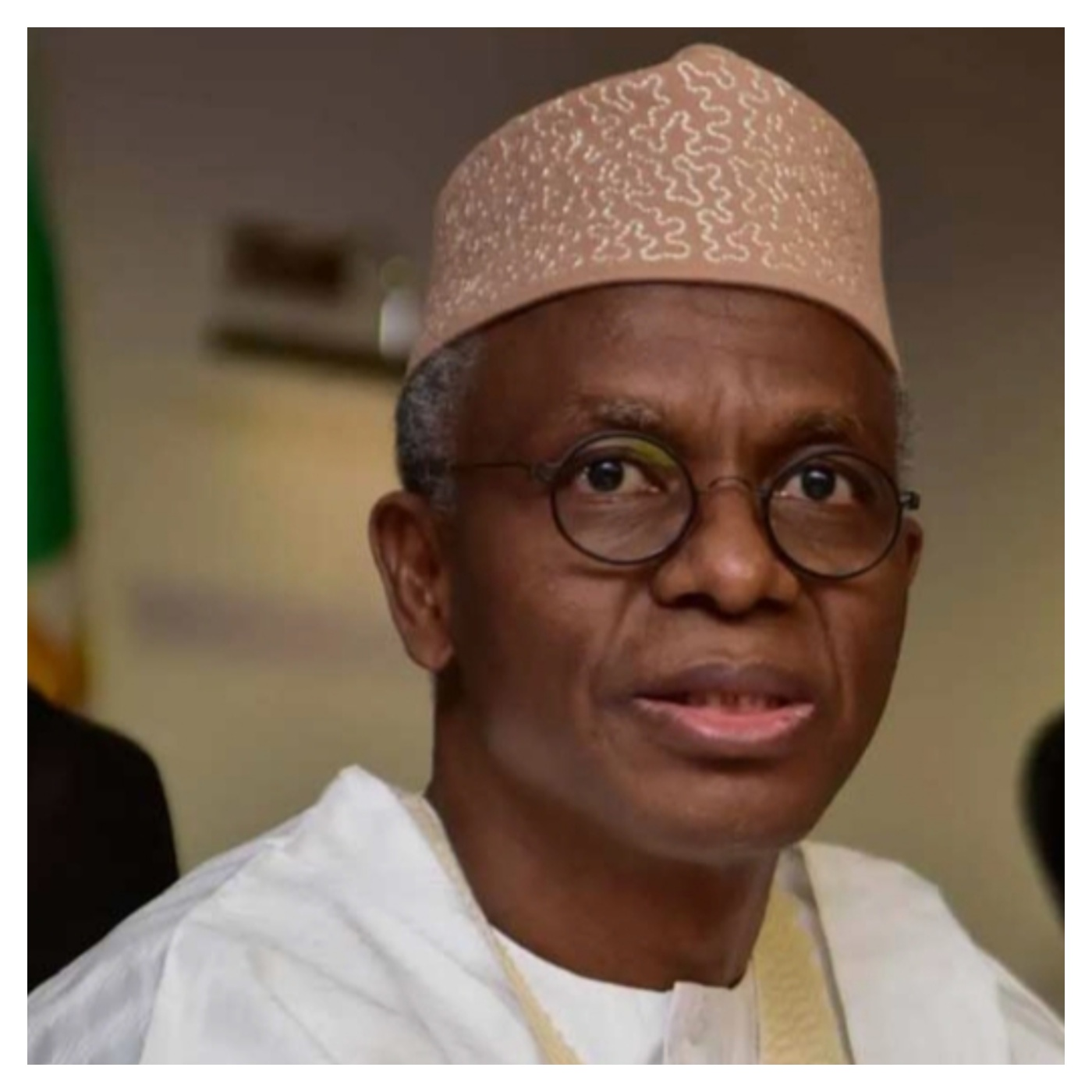
Keep up with the latest news and be part of our weekly giveaways and airtime sharing; follow our WhatsApp channel for more updates. Click to Follow us
The Department of State Services (DSS) has eventually brought former Kaduna State Governor, Nasir El-Rufai, before the court on a revised five-count charge related to an alleged national security violation.
El-Rufai, who appeared before Justice Joyce Abdulmalik at the Federal Highway Court in Abuja, entered a plea of not guilty to all the charges brought against him.
At the commencement of proceedings, counsel representing the DSS, Oluwole Aladedoye, SAN, notified the court that the matter was scheduled for the defendant to formally take his plea.
Aladedoye further informed the court that an additional amended five-count charge had been filed on April 13, 2026.
He subsequently urged the court to replace the earlier three-count charge with the newly amended version.
In response, El-Rufai’s counsel, Oluwole Iyamu, SAN, confirmed receipt of the amended charge and stated that there was no objection from the defence.
Following this, the presiding judge struck out the initial three-count charge.
After the charges were read aloud in court, the former governor maintained his plea of not guilty, prompting Aladedoye to request three consecutive trial dates for the proceedings.
However, Iyamu opposed the request for consecutive hearing dates.
He argued that since the defendant had been in the custody of the Independent Corrupt Practices and Other Related Offences Commission (ICPC), accessing him during the proposed three-day trial period could prove challenging.
According to him, scheduling the hearings consecutively would not serve the best interests of the defence.
Iyamu also drew the court’s attention to a bail application that had been filed on February 17, 2026.
At that point, the supporting affidavit for the bail application could not be located in the court’s file, prompting the judge to temporarily stand down the matter to allow the defence address the issue.
When proceedings resumed, the missing affidavit was eventually found.
The DSS indicated that it had no objection to the bail request.
The prosecution then filed an application seeking the court’s permission to conceal the identities of two witnesses expected to testify in the case.
It requested that the witnesses’ identities be excluded from public records and that pseudonyms be adopted during the trial.
The prosecution argued that the families of the witnesses could be exposed to potential threats from individuals believed to be sympathetic to El-Rufai.
In opposition, the defence filed an application, accompanied by a written address and a further affidavit, urging the court to dismiss the request.
The defence maintained that it is a fundamental constitutional right for an accused individual to be aware of those making allegations against him.
It further argued that no evidence had been presented to suggest that El-Rufai commands any form of cult-like following or poses the risk alleged by the prosecution.
Counsel for the defence emphasized that the defendant has devoted his life to public service and cautioned that granting blanket anonymity to witnesses could unfairly prejudice the case against him.
Additionally, the defence team requested an order compelling the prosecution to provide all necessary evidence to enable adequate preparation for trial.
The prosecution opposed this request through a counter-affidavit, stating that the documents sought by the defence were not part of the materials submitted in its processes.
Finally, the defence informed the court that it had also filed an application seeking to have the charges dismissed.
Please don’t forget to “Allow the notification” so you will be the first to get our gist when we publish it.
Drop your comment in the section below, and don’t forget to share the post.