Wisdom Engraced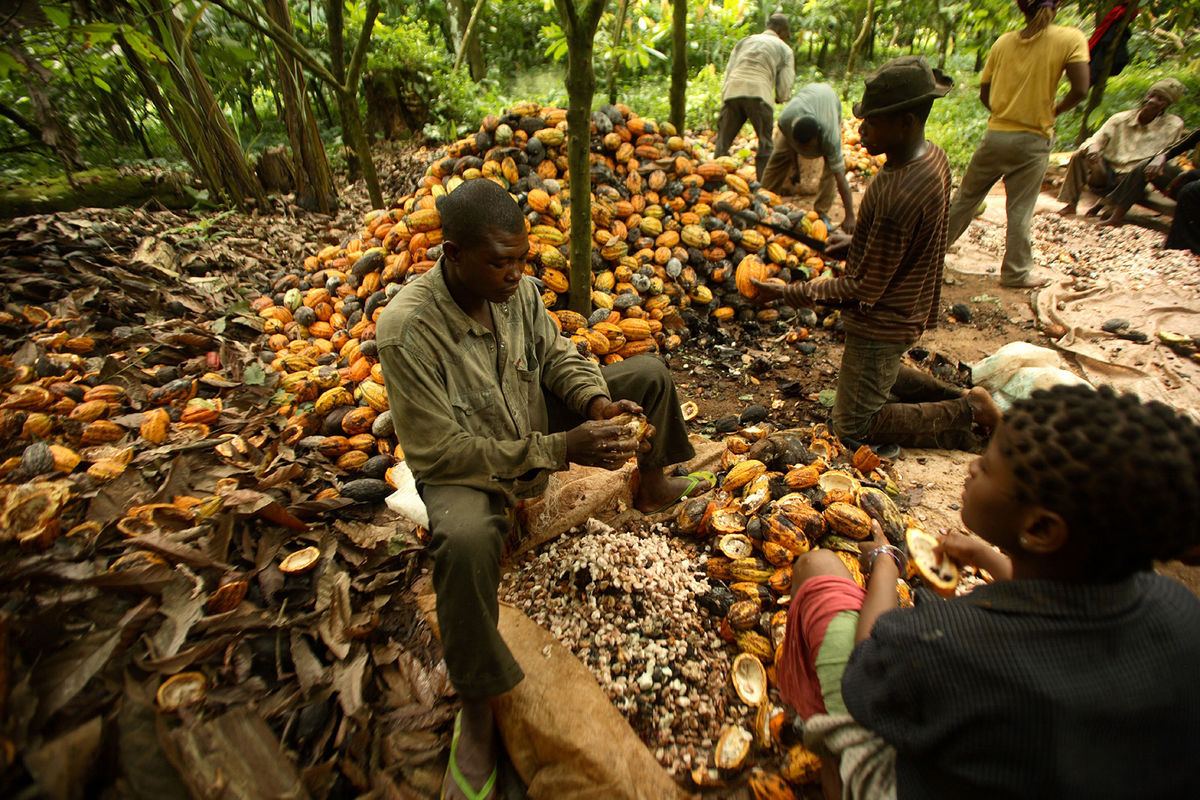
Keep up with the latest news and be part of our weekly giveaways and airtime sharing; follow our WhatsApp channel for more updates. Click to Follow us
Nigeria’s economy is reaping historic gains from the global surge in cocoa prices, with the commodity delivering unprecedented export earnings in the first quarter of 2025.
According to the H2 2025 Norrenberger Economic Outlook, Nigeria’s cocoa export receipts jumped by 220 percent year-on-year, rising to N1.23 trillion, compared with N384.1 billion in the same period of 2024.
For further information, read more details here
The Norrenberger report noted that “this represents the highest quarterly cocoa export revenue ever recorded in the country, reflecting both elevated international prices and stronger export volumes.” Analysts added that the windfall “further cements cocoa’s position as a strategic contributor to Nigeria’s external sector at a time when the country is working to diversify away from its dependence on oil.”
Global Cocoa Turmoil Fuels Nigeria’s Boom
The record earnings are tied to market conditions that have rattled the global cocoa industry over the past 18 months. Supply shortages from Côte d’Ivoire and Ghana—the world’s top producers—triggered historic price spikes through late 2024.
“Futures prices soared, with contracts in New York exceeding $12,000 per tonne and those in London touching $11,675 per tonne by December,” the Norrenberger report disclosed.
The shortages stemmed from adverse weather patterns, the spread of cocoa swollen shoot virus (CSSV), and dwindling inventories, compounded by speculative trading that amplified volatility.
Prices entered 2025 at elevated levels, peaking at $10,888 per tonne in January, before correcting sharply in March to below $8,000 per tonne as demand faltered and forecasts improved for the mid-crop harvest. By mid-June, cocoa rebounded strongly to trade between $9,000 and $9,800 per tonne, with some spot prices climbing above $11,000 per tonne.
By the end of June, prices had moderated to $8,101 per tonne—still 20 percent higher than the $6,776 per tonne recorded in mid-2024.
Macroeconomic Impact for Nigeria
Norrenberger highlighted that the surge has far-reaching implications. “As one of the country’s most valuable non-oil exports, cocoa provides a vital stream of foreign exchange at a time when oil revenues remain vulnerable to global price fluctuations and domestic production constraints,” the report stated.
Analysts also stressed that “the revenue boost is helping Nigeria narrow its current account deficit and reduce reliance on oil-related inflows, providing a buffer against external shocks.”
The extra inflows are expected to support the Central Bank of Nigeria’s efforts to stabilize the naira, which has faced prolonged pressure
At the grassroots level, the impact is also visible. The Norrenberger report noted that “increased earnings can stimulate rural economies, create jobs, and strengthen agricultural value chains, providing critical support for inclusive growth.”
Risks and Sustainability
Despite the windfall, experts warn of underlying challenges. Norrenberger cautioned that “aging cocoa trees, limited financing options for farmers, and inadequate infrastructure continue to weigh on productivity.”
The report urged policymakers to expand local processing and value addition. “Greater investment in processing could further expand earnings and create industrial jobs, ensuring Nigeria captures more value from its cocoa wealth,” the analysts said.
Outlook for 2025
Looking ahead, volatility is expected to persist. The International Cocoa Organization (ICCO) projects a 142,000 metric tonne surplus for the 2024/25 season, ending four straight years of global deficits. The surplus reflects an anticipated 7.8 percent rise in global output to 4.84 million tonnes, while grindings—a proxy for demand—are forecast to fall by 4.8 percent to 4.65 million tonnes as high prices weigh on consumption.
“Nigeria must use this window wisely,” Dr. Chika Okoye, an independent agribusiness analyst, told reporters. “The cocoa boom will not last forever. Without long-term investment in productivity and value chains, the country risks losing momentum once prices normalise.
Please don’t forget to “Allow the notification” so you will be the first to get our gist when we publish it.
Drop your comment in the section below, and don’t forget to share the post


 Jonathan Nwokpor