Wisdom Engraced
Keep up with the latest news and be part of our weekly giveaways and airtime sharing; follow our WhatsApp channel for more updates. Click to Follow us
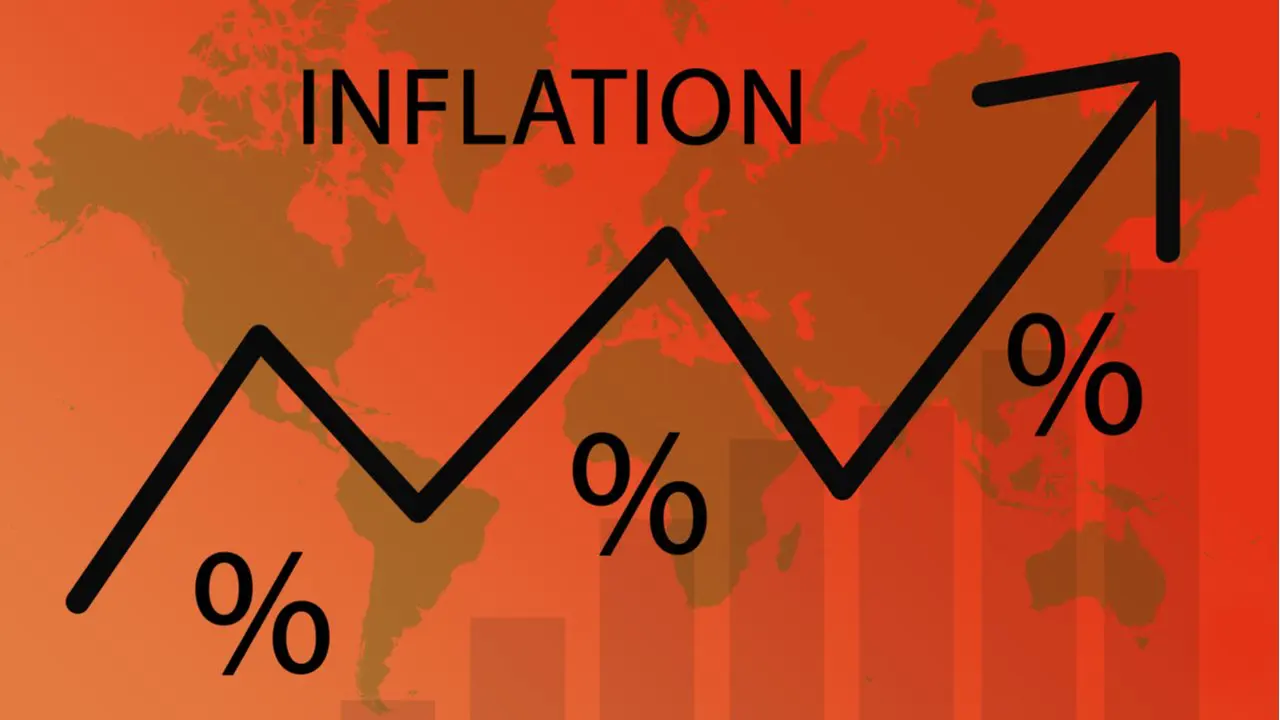
Nigeria’s inflation story in 2025 is taking an unusual turn, with a meaningful and sustained slowdown in consumer prices. According to 10-year inflation data analysed by Nairametrics Research, headline inflation has dropped from 24.5% in January 2025 to 21.9% in July 2025, a decline of 2.6 percentage points in just seven months.
For further information, read more details here
This decline is a 10.7% reduction compared to the January level, a pace of disinflation rarely seen in Nigeria’s modern economic history. The turning point came in January 2025, when the National Bureau of Statistics (NBS) announced a rebasing of the Consumer Price Index (CPI), sharply resetting inflation to 24.5% from December 2024’s record 34.8%
The NBS defended the move as a necessary update to reflect changing consumption patterns. However, critics argued that the methodology lacked transparency and that the sudden drop in headline inflation distorted the true cost-of-living crisis. Opposition figures and independent analysts noted that many Nigerians still faced soaring food, rent, and transport costs, realities that the new CPI seemed to understate.
The inflation deceleration in 2025 is being shaped by four key factors: the Central Bank of Nigeria’s (CBN) monetary policy, exchange rate stability, improved agricultural output, and base effects from 2024. The CBN has kept interest rates above 26%, slowing demand and speculative forex activity. The Naira has traded between N1,520 and N1,540/$, supported by higher FX inflows from oil, remittances, and reforms.
Despite the slowdown, inflation remains punishing, with food inflation above 30%, transport costs sticky, and real wages lagging. Gbenga Komolafe, NUPRC Chief Executive, noted that “transparency, speed, and precision in regulatory oversight are the currency of trust in today’s energy market.” However, many households still face a daily reality of stubbornly high prices.
Analysts expect inflation to settle around 19-20% by December if reforms hold, marking one of the fastest mid-year slowdowns in Nigeria’s history. The real test will come in Q4, when festive demand, year-end government spending, and shifts in oil prices or FX flows could reverse some gains.
Please don’t forget to “Allow the notification” so you will be the first to get our gist when we publish it.
Drop your comment in the section below, and don’t forget to share the post

 Jonathan Nwokpor