Jonathan Nwokpor
Keep up with the latest news and be part of our weekly giveaways and airtime sharing; follow our WhatsApp channel for more updates. Click to Follow us
Mixed reactions have continued to trail United States President Donald Trump’s warning of possible military action in Nigeria.
On Friday, Trump listed Nigeria as a “Country of Particular Concern (CPC),” claiming that Christians in the nation are facing an “existential threat.”
The American President also urged members of the U.S. Congress to investigate what he described as the “mass slaughter” of Christians.
Shortly after making the designation, Trump reportedly threatened to deploy American troops to Nigeria with “guns-a-blazing,” saying that if the government fails to stop what he termed the killing of Christians by Islamist extremists, the U.S. would take matters into its own hands.
The declaration sparked mixed emotions across the country. While some Nigerians expressed fear and uncertainty, others viewed the development as a welcome intervention.
Government representatives, Islamic clerics, and supporters of the ruling All Progressives Congress (APC) have strongly refuted the claims of genocide, arguing that the worsening insecurity in the country is not religiously motivated.
According to them, Trump’s statements may have political undertones and could be driven by motives beyond the protection of Christians.
On the other hand, some Christian groups and stakeholders have applauded Trump’s remarks, expressing hope that his stance might lead to justice for victims of alleged attacks.
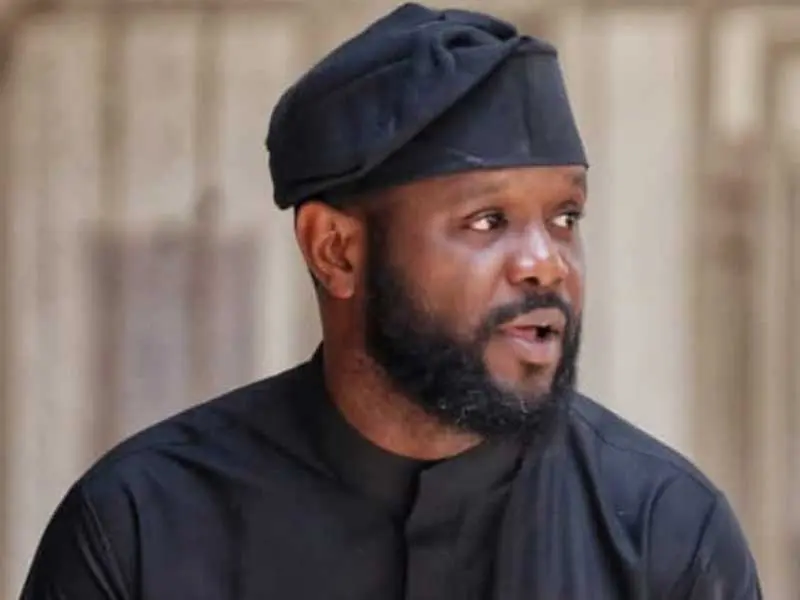
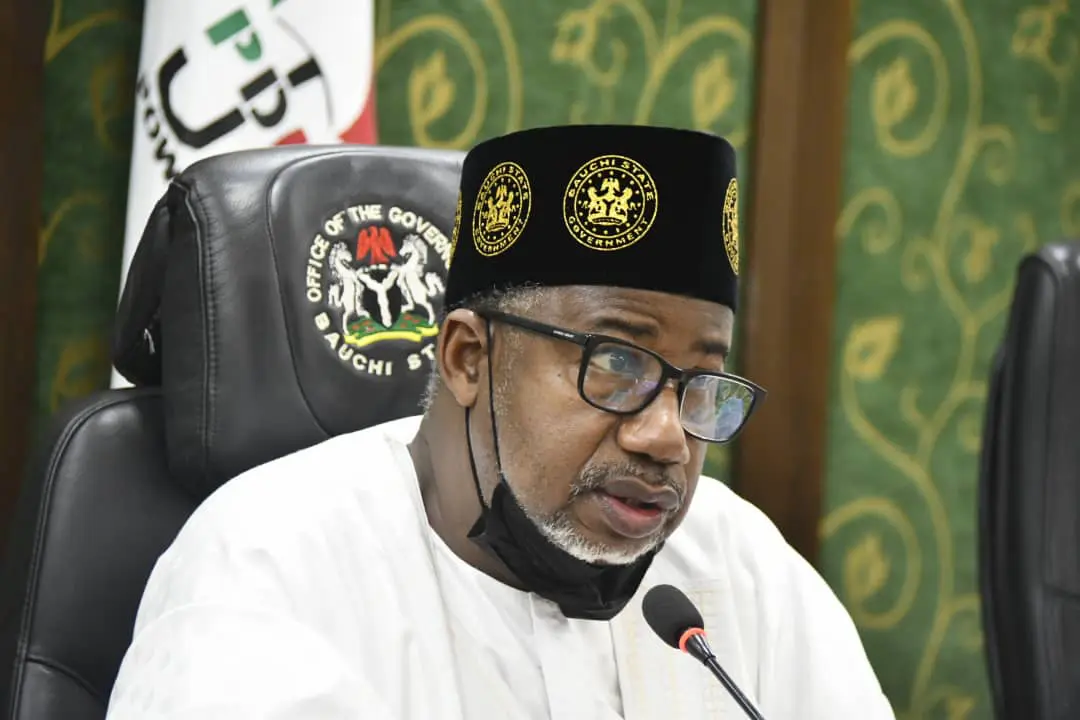
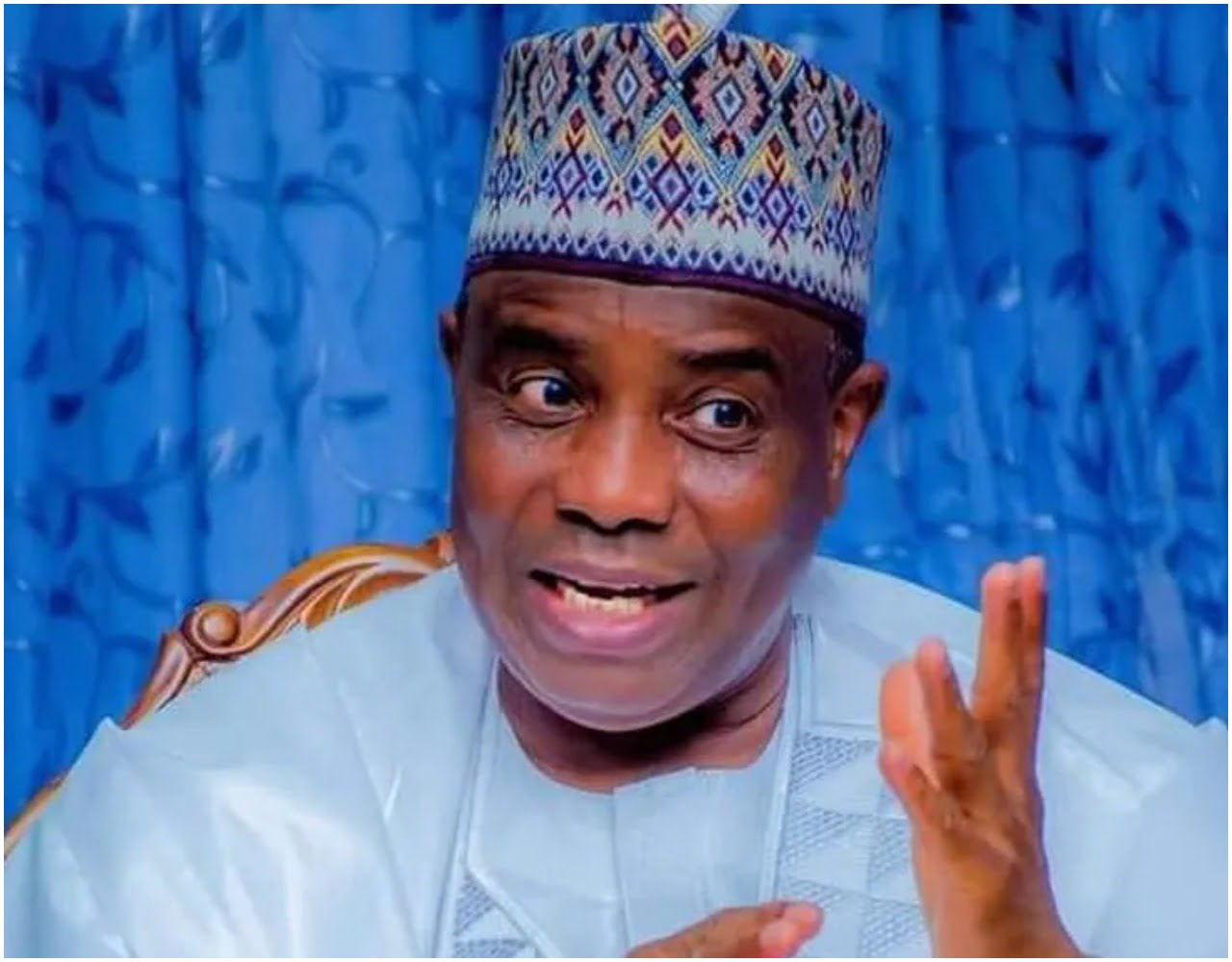
As of the time this report was compiled, key opposition figures, including those reportedly strategizing to unseat President Bola Tinubu in 2027, have not issued any statements regarding the situation.
Notably, the 2023 Labour Party presidential candidate, Peter Obi, and his counterpart from the Peoples Democratic Party (PDP), Atiku Abubakar, have remained silent.
In the same vein, former governors of Kaduna and Rivers States, Nasir El-Rufai and Rotimi Amaechi, both known for their outspoken views on national matters, have so far refrained from commenting.
A public affairs commentator, Moses Jibila, suggested that their silence might be linked to their political ambitions ahead of the 2027 elections.
He said, “They are being careful because this is a very sensitive matter. They know the truth but because of their selfish interests, they won’t say anything.
“Someone like Atiku would prefer not to talk because he is going to be in trouble if he takes a stand on the issue.
“For example, Atiku cannot say there is no Christian genocide in Nigeria, if he does that, the Christians will come for him and they will punish him through the ballots.
“And if he backs Trump, his Muslim brothers will come for him.
“The same way Obi and others are feeling. It is all about their selfish interests”.Nigeria as CPC
This is the second time President Trump is designating Nigeria as a Country of Particular Concern.
Prior to his exit from the White House in 2020, Nigeria was designated as CPC but the Joe Biden administration later reversed the policy.
The “Country of Particular Concern” status is an official classification under the US International Religious Freedom Act, IRFA of 1998.
The law applies to nations found to be engaging in or tolerating “systematic, ongoing, and egregious violations of religious freedom.”Other countries designated as CPC
Nigeria seems not alone as the United States government had previously designated at least 14 other countries.
Some of the nations labeled as CPCs include China, Iran, Russia, North Korea, Saudi Arabia, Pakistan and Eritrea.
Others are Burma, Cuba, Nicaragua, Tajikistan and Turkmenistan.
According to reports, the designated countries have been cited for long-term, state-sanctioned restrictions on religious practice or persecution of minority faiths.Tinubu to meet Trump President Bola Tinubu is expected to meet his United States, US, counterpart, Donald Trump
“in the coming days” to address the situation.
Daniel Bwala, Tinubu’s Special Adviser on policy communication, who disclosed this on Sunday, said the meeting will hold “either in the State House or White House.”
Bwala expressed optimism that the genocide claims “would be discussed and resolved by the two leaders” when they meet.
Please don’t forget to “Allow the notification” so you will be the first to get our gist when we publish it.
Drop your comment in the section below, and don’t forget to share the post.