Jonathan Nwokpor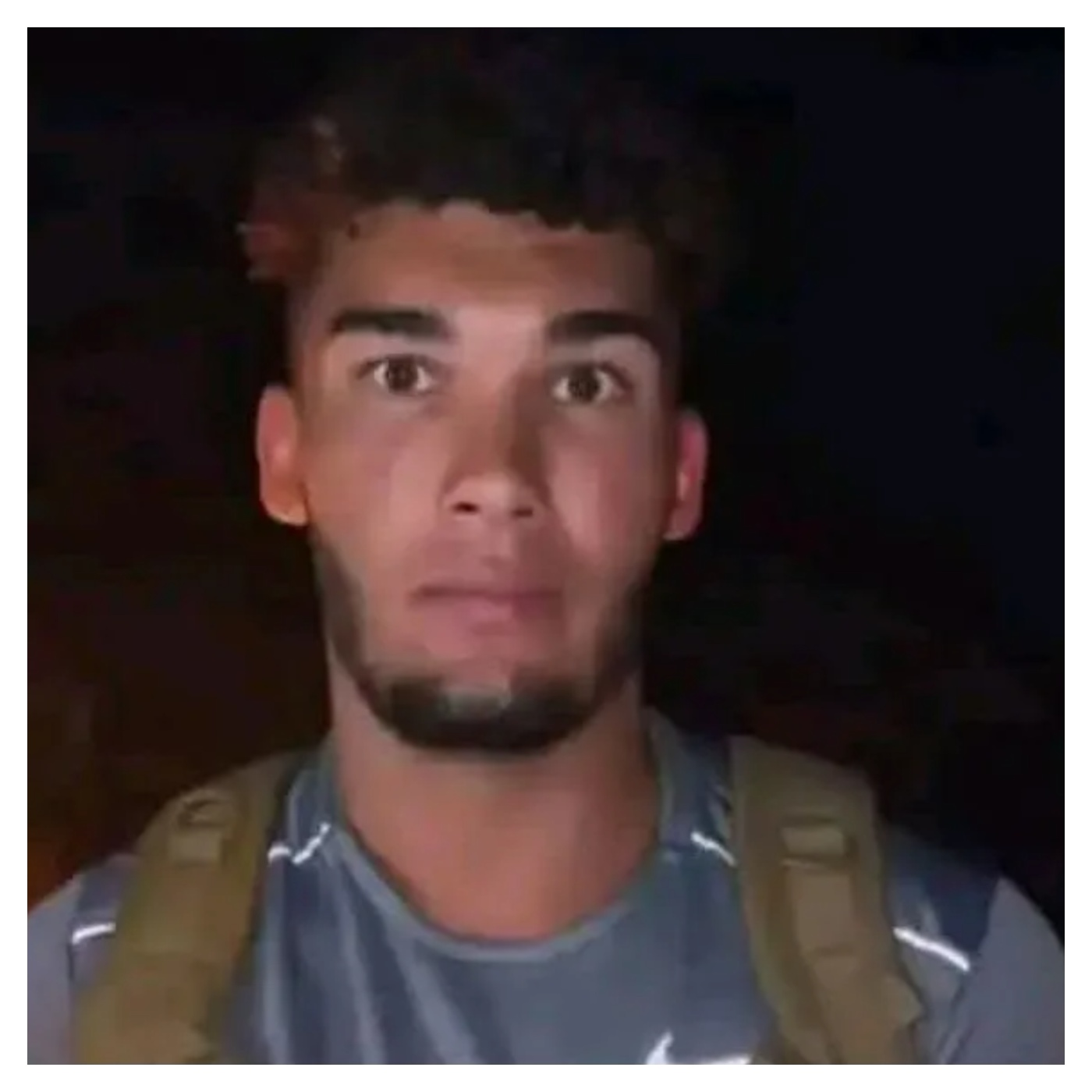
Keep up with the latest news and be part of our weekly giveaways and airtime sharing; follow our WhatsApp channel for more updates. Click to Follow us
The Federal Government of Nigeria has expelled American missionary, Alex Barber, citing concerns over statements that could potentially inflame tensions and deepen divisions, particularly in Plateau State.
This decision follows mounting controversy regarding his activities in Nigeria’s North-central region, with authorities alleging that his comments risk inciting unrest.
Abiodun Essiet, Senior Special Assistant to President Bola Tinubu on Community Engagement (North Central), confirmed the development during an appearance on TVC.
“Yeah, so we’ve realised what Alex Barber has done, so I must inform that Alex Barber is no longer in Nigeria,” Essiet said.
“He has been, we can say, removed and sent out of the country because of the work he’s doing, which is creating division.”
Essiet further linked Barber’s remarks to violent incidents in Jos, alleging: “Immediately after he made his speech in Jos, a lot of people didn’t know that two people, two Muslims, were killed immediately after his speech.”
“Because of the impact of this provocative speech, which he has been making, he was sent out of the country and is no longer in Nigeria,” she said.
Barber, a former American football player turned missionary, had gained attention for his humanitarian efforts in conflict-affected communities in Benue and Plateau states.
Through his initiative, Building Zion, and in collaboration with a US-based NGO, Barber participated in rebuilding homes and supporting displaced residents.
In Yelwata, Benue State, Barber reportedly helped reconstruct dozens of houses destroyed during attacks. During a project event in January 2026, he stated, “So far, we have rebuilt 35 housing units… The joy among the people is overwhelming.”
His efforts were praised by community leaders and some residents.
Julius Joor, the traditional ruler of Yelwata, remarked, “For the first time, private individuals have come to our aid in such a massive way. You have restored hope and happiness to our people.”
Similarly, legal practitioner Franc Utoo commented, “You have done what both the federal and state governments have failed to do.”
Despite his humanitarian work, Barber’s public statements began to draw increasing criticism. In interviews and online posts, he described the violence in the Middle Belt as organized and systematic.
Speaking to News Central Television, he said, “This is not just some random criminality… This is a war being waged on people.”
He also questioned official responses, asking, “If there’s no war in Nigeria, what is happening?”
His remarks, particularly his criticism of government institutions and the handling of the crisis, raised his global profile but sparked backlash domestically.
Critics argued that Barber’s framing oversimplified a complex situation involving banditry, farmer-herder clashes, and insurgency.
Some accused him of presenting the conflict primarily along religious lines, warning that such narratives could heighten tensions.
Former presidential aide Bashir Ahmad called for an investigation into Barber’s activities, suggesting that they could “threaten public peace,” while cleric Ahmad Gumi also expressed concerns about his rhetoric.
In a petition to security agencies in Plateau State, Aliyu Naziru alleged that Barber was present at a violence scene under unclear circumstances and called for a probe. However, there has been no confirmed evidence linking him to any criminal activity.
Supporters of Barber, however, insist that he was merely drawing attention to neglected crises. Religious figures, including COCIN priest Ezekiel Dachomo, defended his efforts, cautioning against attempts to silence him.
Responding to the criticism, Barber stated, “They haven’t talked about me rebuilding villages… but when I speak out… then all of a sudden [they react].”
He maintained that victims across religious groups had suffered attacks, citing incidents in several northern states.
Analysts note that while freedom of expression is recognized, Nigerian laws restrict speech that could incite violence or public disorder, especially in sensitive regions. Authorities also retain the power to deport foreigners whose actions are deemed contrary to national interest.
Essiet said the government acted to prevent further division, drawing a comparison to past global conflicts.
“That’s what the government has done, because we don’t want individuals to come and create division,” she said.
“I’ve been to Rwanda a couple of times… As simple as this whole narrative of what Alex Barber was saying is what some foreign actors did in Rwanda… and that led to a massive genocide.”
“Based on our experience, we don’t want Nigeria to follow that path… We must not allow people who do not understand the history of our crises to divide us,” Essiet concluded.
Barber denied the allegations linking his statements to violence.
In a Facebook post, he stated, “Let it be known that if Abiodun Essiet… made this statement, they are directly lying to the Nigerian and international community. I’ve never heard of this person, nor had conversation with them.”
Please don’t forget to “Allow the notification” so you will be the first to get our gist when we publish it.
Drop your comment in the section below, and don’t forget to share the post.