Wisdom Engraced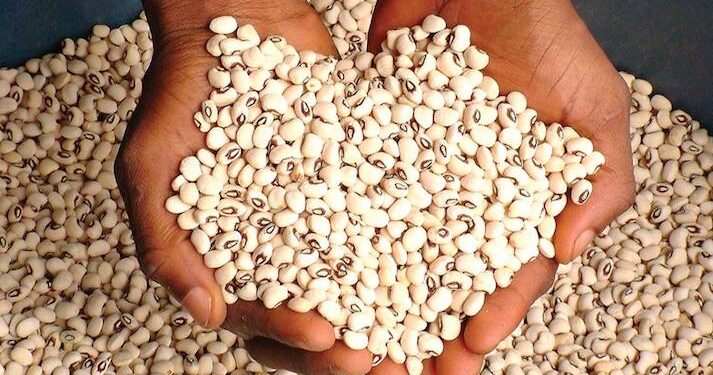
Keep up with the latest news and be part of our weekly giveaways and airtime sharing; follow our WhatsApp channel for more updates. Click to Follow us
The Alliance for Action Against Pesticides in Nigeria (AAPN) has revealed that Nigeria loses approximately $363 million annually due to the European Union’s ban on Nigerian bean exports over hazardous pesticide residues. According to Prof. Simon Irtwange, Co-Founder of AAPN, “Over 76% of Nigeria’s agricultural exports are routinely rejected by the EU for safety reasons linked to pesticide contamination.”
For further information, read more details here
Irtwange explained that the rejections are primarily due to pesticide residues from chemicals banned internationally but still permitted in Nigeria. The rejections have affected not only beans but also other products such as sesame seeds, melon seeds, dried fish, peanut chips, groundnuts, palm oil, and yam. “The trade restrictions result in massive financial losses and harm the country’s global reputation,” he noted.
The AAPN Co-Founder highlighted that Nigeria uses about 23,400 metric tonnes of pesticides annually across agriculture and other sectors. He also stated that “currently, Nigeria registers and allows over 400 pesticide formulations, over 50% of which are considered highly hazardous and banned in the EU, US, and parts of Asia.”
Irtwange emphasised that more than 80% of pesticides distributed to smallholder farmers in Nigeria have been banned or phased out internationally due to health and safety concerns. He identified frequent health problems associated with these chemicals, including respiratory issues, skin rashes, nausea, vomiting, and eye irritation. Chronic exposure, he warned, may lead to reproductive disorders, cancers, and neurotoxicity.
To address these issues, Irtwange urged lawmakers, agricultural ministries, and philanthropic organisations to promote safer alternatives such as bio-pesticides, organic fertilisers, and agroecological practices. He recommended that “the National Assembly should enact a pesticide and agroecological control bill focused on protecting the health and environment of Nigerians. The bill should promote full disclosure, transparency, public participation, and strong oversight.”
Mrs Oreoluwa Adelakun, legal lead at AAPN, also spoke at the event, criticising the continued distribution of toxic agrochemicals through constituency projects. She warned that these substances are contaminating water bodies, degrading soil quality, and putting vulnerable groups at serious risk. She urged legislators and regulatory agencies to halt the circulation of highly hazardous pesticides in Nigeria
Please don’t forget to “Allow the notification” so you will be the first to get our gist when we publish it.
Drop your comment in the section below, and don’t forget to share the post


 Jonathan Nwokpor