Jonathan Nwokpor
Keep up with the latest news and be part of our weekly giveaways and airtime sharing; follow our WhatsApp channel for more updates. Click to Follow us
Muhammadu Buhari, the former president, has passed away. But what legacy did he leave behind, particularly in his own household, besides the politics and policies?
For Nigerians, Muhammadu Buhari was a soldier, a military leader, a democratically elected president, and one of the most divisive personalities in the country’s political history.
He originally took office in a military coup in 1983, and in 2015, more than thirty years later, he made one of Africa’s most surprising political comebacks as a civilian president.
The news that Buhari had passed away surfaced on July 13, 2025. Nigerians responded with surprise, pity, and, if we’re being completely honest, indifference. The announcement of Buhari’s passing was not new.
In fact, there have been more rumors about his death in the last ten years than anyone could possibly count. Conspiracy theorists once even asserted that a body double known as “Jubril from Sudan” had taken Buhari’s place after the real Buhari passed away in London.
However, the headlines this time weren’t propaganda or rumors. The former president was no longer with us.
Buhari served as Nigeria’s civilian president for eight years before resigning in 2023 after serving two mandates. He served as his fans’ “Sai Baba” and a representation of honesty and lawfulness. He was perceived by his detractors as distant, autocratic, and disconnected from the problems that Nigerians face on a daily basis. One of his most notorious statements was, “Nigerian youths are lazy.”
Behind the kaftan, the political divide, the commotion, and the public image, however, was a guy with a family—wives, kids, and loved ones who saw the various facets of Buhari that the general public hardly saw.
Many Nigerians are revisiting his leadership legacy and focusing on his surviving family—the people who shared his home, name, and history—as the nation mourns his demise.
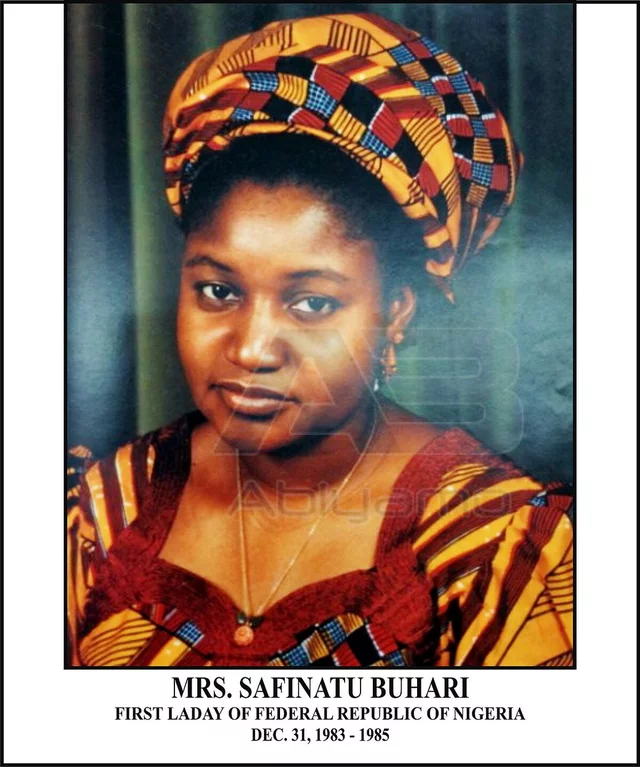
Safinatu Buhari, Buhari’s first wife and the original matriarch of his family, existed long before Aisha Buhari was appointed First Lady.
Safinatu, who was born in Plateau State in 1952 and grew up in Kaduna, married Muhammadu Buhari in 1971 at the age of barely 18. She hailed from a modest, well-respected family in the north and was renowned for her poise and composure.
In 1983, Safinatu assumed the discreet position of First Lady when Buhari was appointed Nigeria’s military head of state. However, she was not like any other First Lady Nigeria had ever known. She was quiet, rarely photographed, and largely out of the spotlight. She would rather remain in the background, taking care of the household and raising her kids.
However, three years after Buhari was deposed and imprisoned in a military coup, their marriage ended in divorce in 1988. According to reports, personal and ideological conflicts that deepened while he was being held may have contributed to the split.
After suffering diabetes, Safinatu died in 2006 at the age of 54.
Five children were born to Buhari and Safinatu together, albeit one died at an early age. What we know about them is as follows:
The eldest daughter of Buhari and Safinatu, Zulaihat “Zulai” Buhari Junaid was born on December 5, 1972, and passed away on November 29, 2012. Those close to her held her in the highest regard and admired her gentle grace and humility.
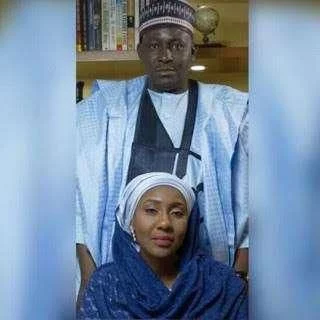
Although Safinatu and Buhari’s second daughter, Fatima Buhari, has kept a quiet profile in the public eye, her life is everything but.
Despite not being as well-known as her half-siblings, Fatima’s profession indicates that she is making a significant and covert contribution to the development of the country.
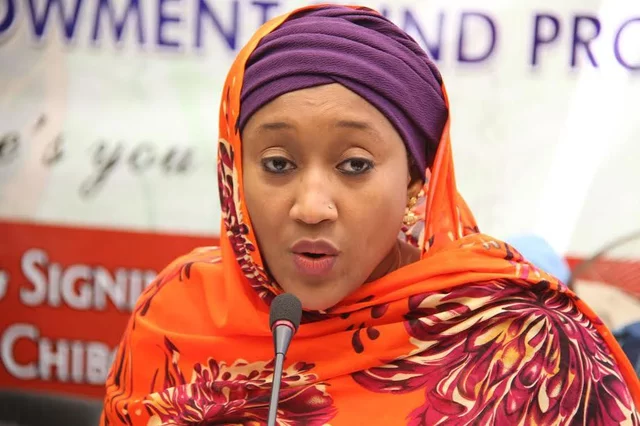
Nana Hadiza Buhari. despite not being as well-known in the media as some of her younger half-siblings, has led a fulfilling existence.
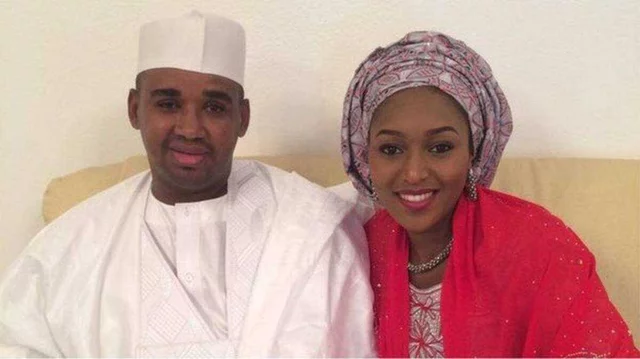
Safinatu Lami Buhari, the youngest daughter, has discreetly established a family and an educational career while remaining remarkably private.
Little is known about Musa, who purportedly passed away from sickle cell anemia at an early age.
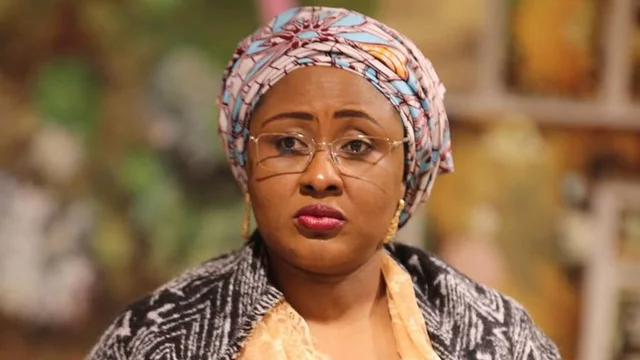
Buhari wed Aisha Halilu Buhari in 1989 following his divorce in 1988. Aisha, who was born in Adamawa State in 1971, is brave, loud, stylish, and well-educated—everything Safinatu was not.
She became a qualified beauty therapist and businesswoman after completing studies in public administration and beauty therapy. She wrote “Essentials of Beauty Therapy” in 2014 and went on to start humanitarian projects under the Future Assured program.
Aisha became First Lady after Buhari retook office in 2015, and she made news almost away for openly criticizing her husband’s administration. No other First Lady has ever done that before.
Aisha sparked discussions on spousal power dynamics, northern conservatism, and feminism. Because of her candor, she was viewed as a polarizing character by some and despised by others.
Many of Aisha’s children were raised in the spotlight, attending prestigious schools, getting married in public, and occasionally stirring up controversy.
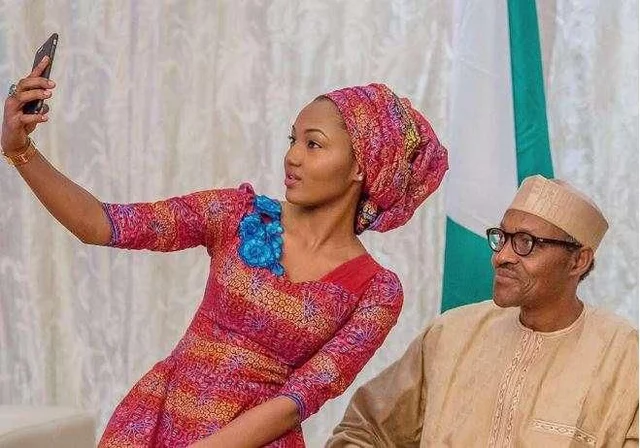
Of his children, Zahra Muhammadu Buhari-Indimi is the most well-known and active in society, fusing philanthropy, entrepreneurship, and education in her public life.
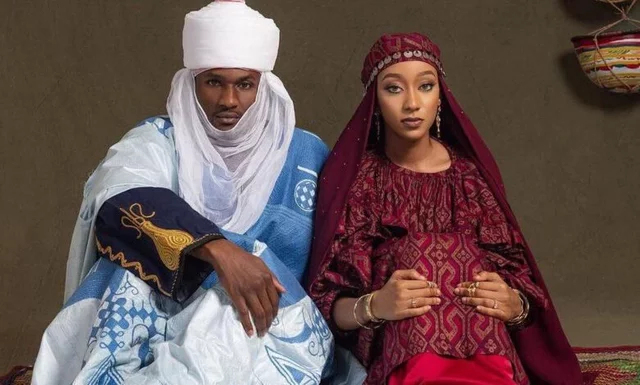
Former President Buhari and First Lady Aisha have only one son, Yusuf Muhammadu Buhari. Because of his high-profile lifestyle choices and public persona, he became a symbol of Nigeria’s elite youth, attracting both admiration and criticism.

The eldest daughter of former President and First Lady Aisha Buhari, Halima Muhammadu Buhari-Sheriff, was born on October 8, 1990. She is a grounded public personality with a legal background who blends a prominent public persona with a professional job.
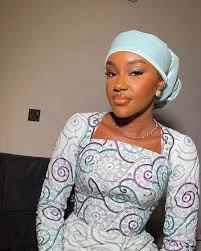
The birthdate of Amina Buhari is September 14, 2004. Despite her infrequent appearances in the media, the following is known:
Aisha, the youngest child, is still maturing and hasn’t participated in public life yet.
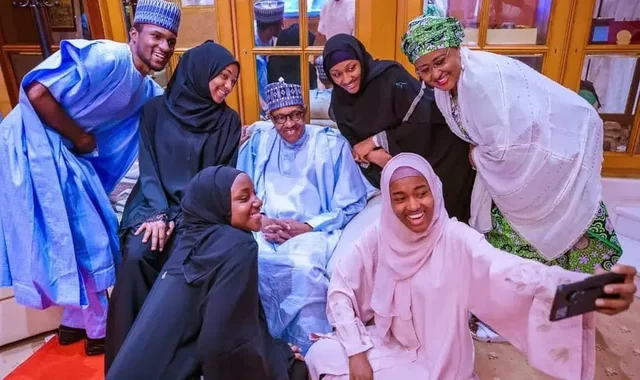
Despite being praised by some and criticized by others, the former president of Nigeria’s departure has made a lasting impression on history.
But aside from the glaring lights of power and the political arena, there was a man who was also a grandfather, a spouse, and a parent.
He buried a daughter and a son. He saw his kids become physicians, lawyers, philanthropists, and eventually parents. He led them according to the same strict values he applied to national leadership.
In addition to losing a former president, Nigeria also loses a father whose family subtly reflected the paradoxes and ideals of his public life. His name, his narrative, and the lengthy, complex legacy of the man they called “Baba” now weigh heavily on his family.
Please don’t forget to “Allow the notification” so you will be the first to get our gist when we publish it.
Drop your comment in the section below, and don’t forget to share the post.