Wisdom Engraced
Keep up with the latest news and be part of our weekly giveaways and airtime sharing; follow our WhatsApp channel for more updates. Click to Follow us
Nigerian businesses sustained their expansionary momentum in August 2025, with the NESG–Stanbic IBTC Business Confidence Monitor (BCM) showing the Current Business Index rising to 107.3 points from 105.4 points in July.
The uptick was fueled by stronger activity in the manufacturing, services, trade, and non-manufacturing sectors. However, rising costs of doing business—driven by higher input prices, surging rents, unreliable electricity supply, restricted access to finance, and persistent insecurity—continued to erode profitability.
According to the report, “Apart from the contraction in agriculture, the sectoral review showed improvements across industries and broader economic activities. Trade posted the strongest rebound after the previous month’s decline.”
The breakdown revealed that Manufacturing (106.2), Non-manufacturing (116.2), Trade (114.1), and Services (103.7) all advanced in August, while agriculture slipped into contraction territory with 95.6 index points.
The BCM added, “Key sub-indices of the BCM, including investment, exports, access to credit, and prices, registered lower values relative to July 2025. The cost of doing business also rose in August, reversing the marginal relief of the previous month. Additionally, input prices continued to worsen during the period.”
Looking ahead, optimism among businesses is strengthening. The Future Business Expectation Index climbed to 131.5 points in August from 126.1 points in July, signaling improved confidence in the next one to three months.
The report noted, “The improved outlook is driven by anticipated gains in the overall business environment, including expectations for an improved business situation, higher operating profits, a rise in production levels, increased cash flow, improved supply orders, and stronger demand conditions. Across sectors, the trade sector reflects the highest level of optimism, while the agriculture sector shows the lowest confidence in future performance.
Commenting on the results, Stanbic IBTC explained, “Business conditions in Nigeria improved in August relative to July, as growth seen across the manufacturing, non-manufacturing, services, and trade sectors was enough to neutralize the contraction witnessed by the agricultural sector in the month. Within agriculture, crop production recorded the most significant decline, likely seasonal in nature, as August is the lean season based on Nigeria’s agricultural calendar, ahead of the main harvest season starting in September. Hence, the agricultural sector output may increase in September and October, likely due to higher output associated with the harvest season.”
The manufacturing sector rebounded after July’s contraction, buoyed by the food, beverage, and tobacco; textile, apparel, and footwear; wood and wood products; and pulp, paper, and paper products subsectors. Services also sustained expansion for the sixth consecutive month at 103.7 points (vs. 101.9 in July), supported by improving FX liquidity, softer price pressures, and relative currency stability.
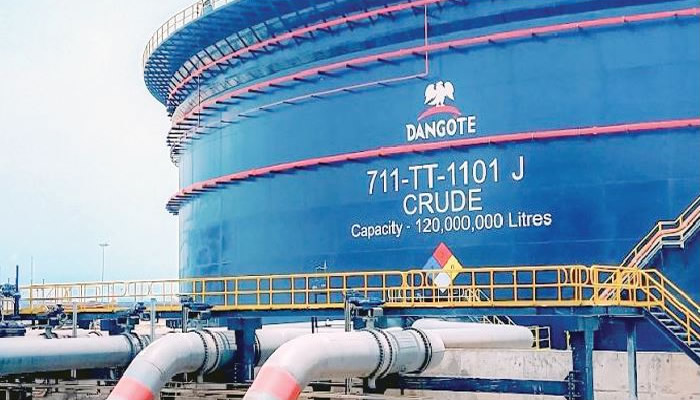
On Nigeria’s GDP, Stanbic IBTC highlighted that industries contributed 20.9 per cent in Q1:25, up from 10.4 per cent in Q4:24, reflecting the structural transformation driven by Dangote Refinery operations.
The report concluded, “Overall, the Nigerian economy is still on track to grow by 3.5 per cent y/y in 2025 from 3.4 per cent y/y growth seen in 2024, supported by softer inflation, improvement in FX liquidity conditions, and structural reforms.”
Please don’t forget to “Allow the notification” so you will be the first to get our gist when we publish it.
Drop your comment in the section below, and don’t forget to share the post

 Jonathan Nwokpor