David Akachukwu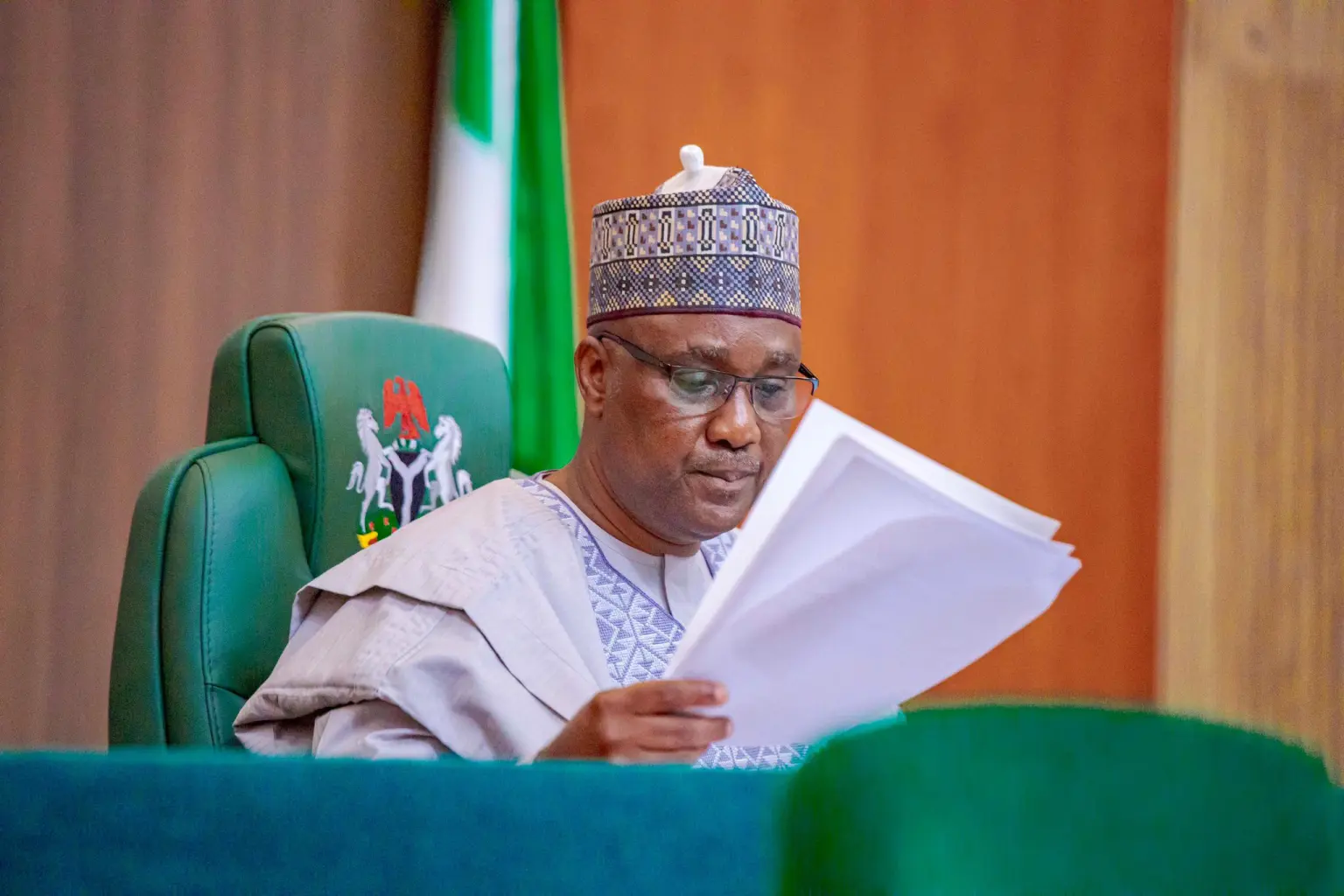
Keep up with the latest news and be part of our weekly giveaways and airtime sharing; follow our WhatsApp channel for more updates. Click to Follow us
The Speaker of Nigeria’s House of Representatives, Tajudeen Abbas, has expressed serious concern over the country’s escalating debt profile, warning that it has reached a point that poses a threat to the nation’s economic future.
He made this known on Monday during the 11th Annual Conference and General Assembly of the West Africa Association of Public Accounts Committees (WAAPAC), held in Abuja. Abbas stated that Nigeria’s debt situation had “crossed the line” and emphasized the need for urgent reforms to prevent long-term damage.
According to him, Nigeria’s total public debt as of the first quarter of 2025 had surged to ₦149.39 trillion (approximately $97 billion), marking a significant increase from the ₦121.7 trillion recorded the previous year.
He noted that the debt-to-GDP ratio now stands at 52 percent exceeding the legal benchmark of 40 percent.
“This is no longer just a budgetary issue but a structural crisis. We must strengthen oversight, embrace transparency, and ensure every loan we take delivers real benefits to citizens,” Abbas said.
He cautioned that many African countries are already caught in unsustainable debt cycles, where loan repayments outweigh funding for basic services like healthcare. Abbas stressed that Nigeria must not follow that trajectory.
To address these concerns, he proposed the establishment of a West African Parliamentary Debt Oversight Framework under WAAPAC. The initiative would aim to create regional standards for debt transparency, harmonize debt data reporting, and empower parliaments to effectively monitor borrowing practices.
He also announced upcoming training programs for Public Accounts and Finance Committees across West Africa, designed to improve their capacity to assess debt sustainability and manage fiscal risks.
“Borrowing should only fund infrastructure, education, healthcare, and industries that create jobs,” Abbas declared. “Reckless loans that fuel consumption or corruption must be exposed and rejected. Oversight is about lives and futures, not just figures.”
For further information on sport secret and greatest sport icon click here
The Speaker reaffirmed the 10th House’s commitment to transparency and accountability through its Open Parliament initiative. Under this policy, all major loan proposals will undergo public scrutiny, and debt-related information will be made more accessible to citizens.
The WAAPAC gathering brought together lawmakers from across the West African region, development partners, and financial policy experts to explore ways to strengthen legislative oversight of public borrowing and fiscal responsibility.
Please don’t forget to “Allow the notification” so you will be the first to get our gist when we publish it.
Drop your comment in the section below, and don’t forget to share the post

 Jonathan Nwokpor