Wisdom Engraced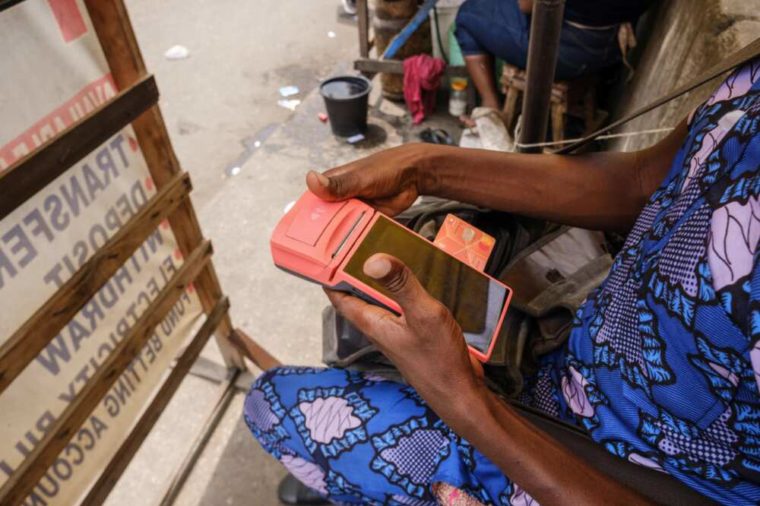
Keep up with the latest news and be part of our weekly giveaways and airtime sharing; follow our WhatsApp channel for more updates. Click to Follow us
In Nigeria’s bustling cities and towns, a new financial landscape is emerging, driven by the growth of digital payments and unstable banking systems. Point of Sale (PoS) agents, often operating from humble wooden stalls or under umbrellas, have become a common sight. These agents have filled the gap left by traditional banks, providing essential financial services such as deposits, bill payments, transfers, and withdrawals.
Abdul, a seasoned PoS agent, processes over ₦100,000 in transactions in a single morning, charging fees that range from ₦100 to ₦500 per transaction, depending on the amount. “Slow morning,” he says, as four customers approach him in quick succession. Other agents, like Ore and Ali, experience varying levels of success, with daily transaction volumes ranging from 10 to 60.
The fintech platform used by agents significantly impacts their earnings, with some platforms charging between ₦5 to ₦10 per ₦1,000 transaction. Ibukun Abolarinwa, an agent who has tested various platforms, notes that “Moniepoint removes more charges than PalmPay.” Opay, another platform, operates a reward system based on transaction volume, reducing charges over time.
For further information, read more details here
Agents spend up to ₦30,000 per month on data, while others incur costs associated with sourcing cash and managing their businesses. Abdul, who operates from a small shop, pays ₦300,000 annually for rent and ₦30,000 monthly for electricity. After covering expenses, he claims to be left with just ₦15,000 to ₦20,000 at the end of the month.
The job of operating a PoS terminal also comes with risks, including physical attacks and fraudulent transactions. Abdul recounts being attacked at knife-point, while others echo concerns about security and vulnerability to fake debit alerts. “It is very strict business; if you don’t handle it with care, you will experience a lot of losses,” Abdul warns.
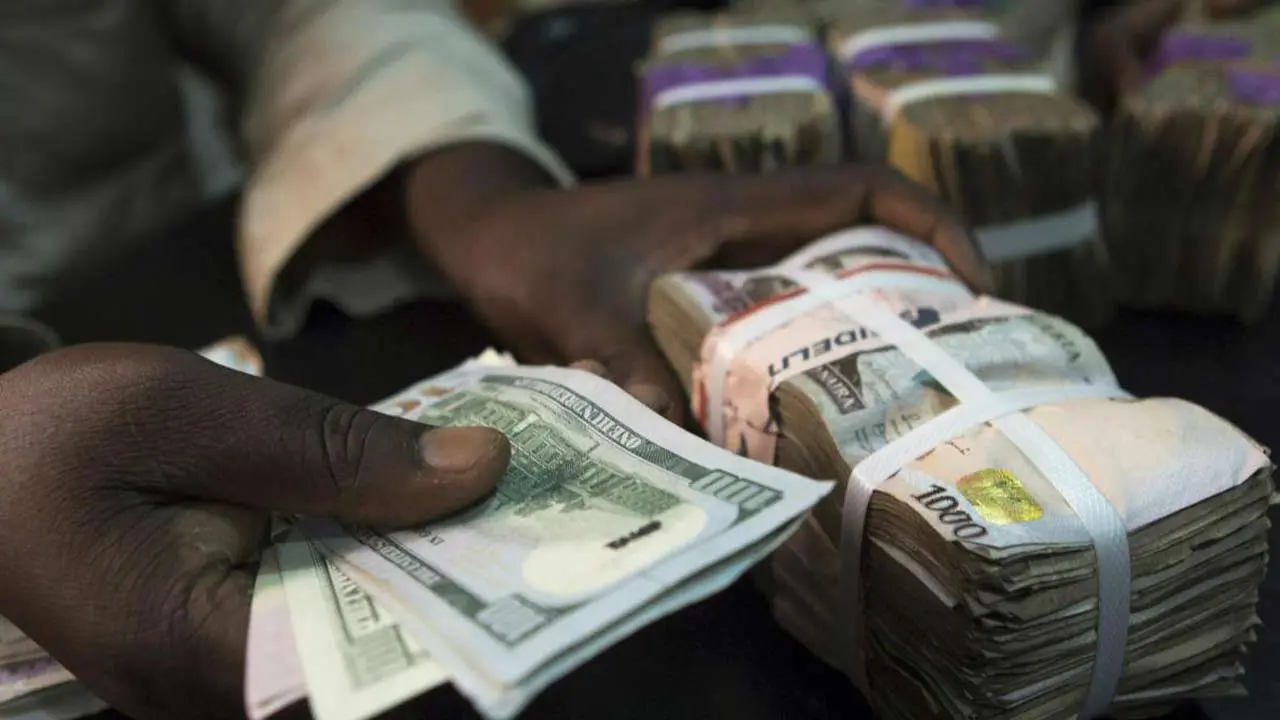
Despite these challenges, the rise of POS agents reflects the resilience of Nigeria’s economy. In a country where formal jobs are scarce and banks are retreating, a generation of young Nigerians has built its economy, ₦100 at a time. “It is still better than not doing anything at all,” Abdul says, highlighting the importance of this informal financial system. As long as cash remains king and digital payments remain unstable, PoS agents will continue to play a vital role in Nigeria’s financial landscape
Please don’t forget to “Allow the notification” so you will be the first to get our gist when we publish it.
Drop your comment in the section below, and don’t forget to share the post


 Jonathan Nwokpor