Jonathan Nwokpor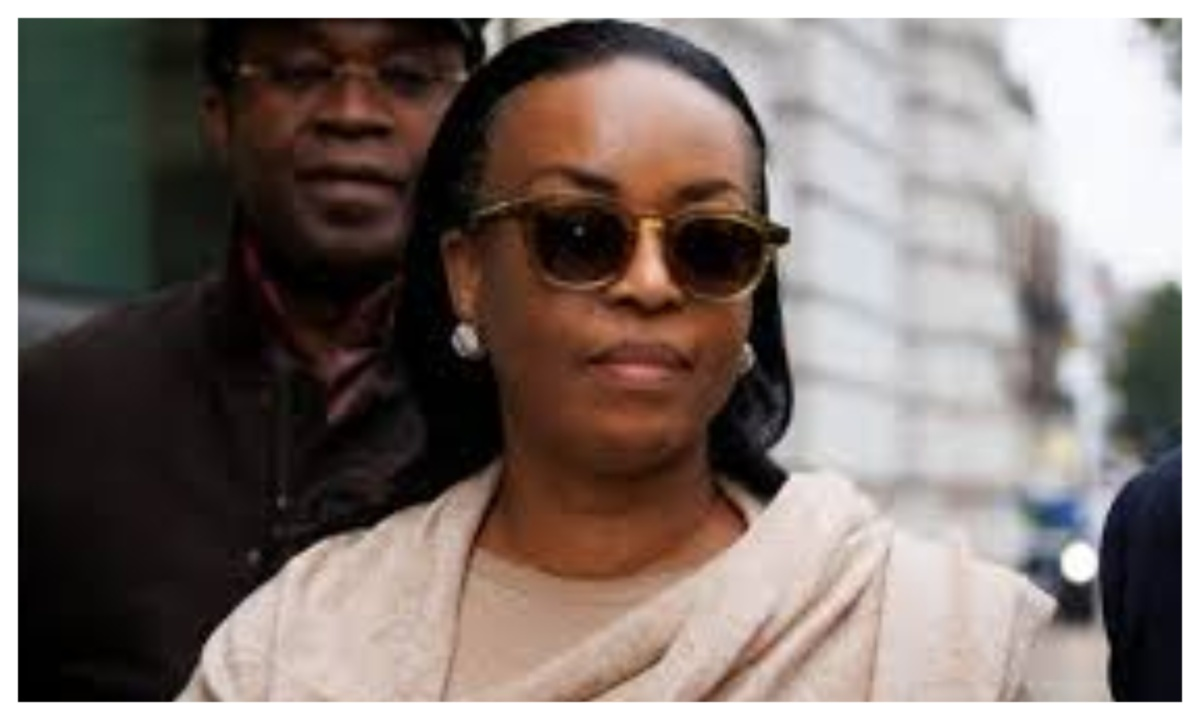
Keep up with the latest news and be part of our weekly giveaways and airtime sharing; follow our WhatsApp channel for more updates. Click to Follow us
Former Nigerian Petroleum Minister Diezani Alison-Madueke told a UK court that her involvement in approving oil contracts was mostly procedural, claiming that major decisions were made before the documents reached her desk.
Appearing at Southwark Crown Court in London, she explained that the structure of Nigeria’s oil sector meant she had limited direct control, with key operations managed by the Nigerian National Petroleum Corporation (NNPC) leadership.
“The system was already in motion before files came to me,” she said, adding that due to the size and complexity of the industry, it was difficult for a minister to oversee everything directly.
She explained that she rarely rejected contract approvals because the contracts had already undergone detailed technical and regulatory reviews. “I was, in many instances, a rubber stamp in the process,” she admitted.
Diezani also recounted an incident from 2014 when she uncovered a questionable crude oil deal allegedly involving businessman Igho Sanomi. She stated the issue came to light through a whistleblower report, prompting her to cancel the arrangement.
However, she claimed that powerful individuals opposed her decision and took their complaints to then-President Goodluck Jonathan.
Regarding allegations that $20 billion in oil revenue had disappeared, she disagreed with former Central Bank Governor Lamido Sanusi, asserting that the reports were inaccurate.
“There were no missing funds as widely reported,” she said, explaining that audits and legislative reviews later showed that the funds were tied to subsidy payments and operational expenses.
She acknowledged serious challenges within the fuel subsidy system, such as multiple claims by certain marketers, but maintained that reforms were introduced to reduce fraud.
According to her, these reforms came with risks. She said she faced security threats, including the kidnapping of family members, which she believed were linked to her attempts to confront powerful figures in the sector.
Diezani also stated that politicians and business figures often pressured her office for preferential treatment in oil allocations. “I declined requests that did not follow due process,” she said.
When questioned about her personal finances, Diezani explained that she used Nigerian bank cards even during overseas trips, in accordance with regulations prohibiting public officials from holding foreign accounts.
She added that the cards sometimes failed abroad, forcing others to cover her expenses temporarily.
The court also examined her official travel records from 2011 to 2015. Diezani stated that she typically traveled with around 30 officials, including aides, security personnel, and protocol staff.
“All movements were documented and archived in ministry records,” she said, noting that both commercial and chartered flights were used depending on official requirements.
Despite the accusations against her, Diezani insisted that her tenure focused on increasing local participation in the oil sector and improving transparency, asserting that she had been unfairly portrayed.
She is currently standing trial alongside Olatimbo Ayinde and Doye Agama on five counts related to bribery.
All the defendants have pleaded not guilty, and the case remains ongoing in London.
Please don’t forget to “Allow the notification” so you will be the first to get our gist when we publish it.
Drop your comment in the section below, and don’t forget to share the post.