Wisdom Engraced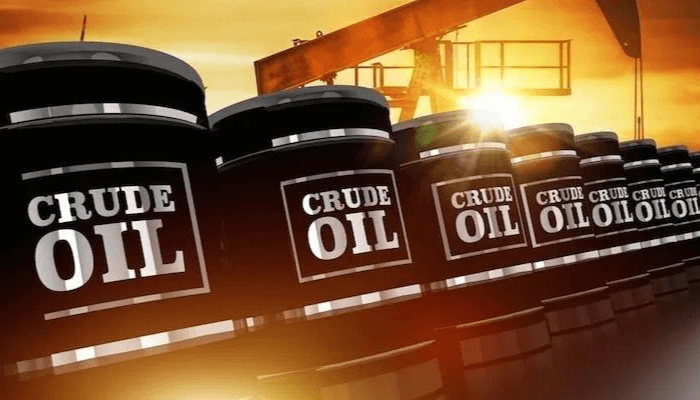
Keep up with the latest news and be part of our weekly giveaways and airtime sharing; follow our WhatsApp channel for more updates. Click to Follow us
Nigeria is set to introduce a real-time cargo tracking system for its oil exports within weeks, marking a significant step towards transparency, security, and operational efficiency in the country’s upstream petroleum sector. The Nigerian Upstream Petroleum Regulatory Commission (NUPRC) announced the initiative at the Nigerian Association of Petroleum Explorationists’ (NAPE) 50th anniversary celebration in Lagos.
For further information, read more details here
NUPRC Chief Executive, Gbenga Komolafe, stated, “In line with our forward agenda, the deployment of real-time cargo tracking for oil export shipments will commence in a matter of weeks. This is a decisive step to improve export transparency and safeguard Nigeria’s most strategic economic asset.” The system will provide “end-to-end visibility of crude oil shipments from terminal to destination”, significantly curbing crude theft, closing revenue leakages, and boosting investor confidence.
The initiative is part of the broader Advanced Cargo Declaration System and aligns with Nigeria’s sweeping oil and gas sector reforms following the enactment of the Petroleum Industry Act (PIA) in 2021. The PIA replaced the outdated Petroleum Act of 1969 with a more transparent, investor-centric governance structure
Komolafe emphasised that “transparency, speed, and precision in regulatory oversight are the currency of trust in today’s energy market.” The NUPRC has been driving digital transformation, revitalising the National Data Repository, and incorporating seismic reprocessing, basin analysis, and targeted data acquisition to de-risk exploration and improve subsurface knowledge.
The Commission is also pursuing ambitious production goals through its Project One Million Barrels Initiative, aiming to increase daily crude production from 1.46 million barrels to 2.5 million barrels by 2026. Additionally, Nigeria is committed to a gas-driven energy transition, with plans to boost daily gas production from 8 billion standard cubic feet to 12 billion.
The results of Nigeria’s post-PIA reforms are already evident, with rig counts surging from 8 in 2021 to 43 today and expectations to hit 50 by year-end. The country is also leading continental regulatory alignment through the African Petroleum Regulatory Forum (AFRIPERF) and working closely with the Africa Energy Bank to channel transition financing to high-impact projects
Please don’t forget to “Allow the notification” so you will be the first to get our gist when we publish it.
Drop your comment in the section below, and don’t forget to share the post

 Jonathan Nwokpor