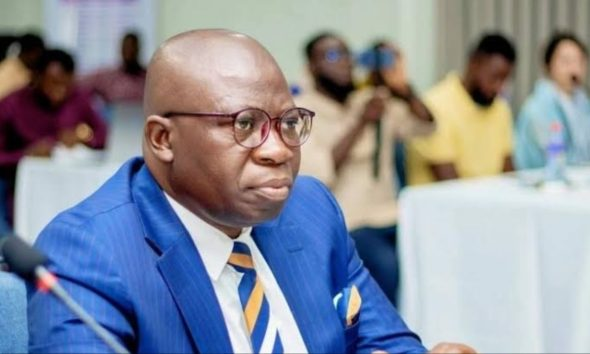
Mazi Nwokpor Jonathan
Keep up with the latest news and be part of our weekly giveaways and airtime sharing; follow our WhatsApp channel for more updates. Click to Follow us
PDP loses five Reps, APC two as fresh defections hit House
A fresh wave of defections unsettled the House of Representatives Nigeria on Tuesday, with lawmakers switching party allegiance in what observers describe as early positioning ahead of the 2027 general elections.
As plenary resumed following the Easter recess, Deputy Speaker Benjamin Kalu announced several defections through letters read on the floor, signalling increasing political realignments across party lines.
He dismissed concerns that the trend indicates a drift toward a one-party state, stating that it reflects democratic freedom of choice.
“This is to show the country that no party is stifled. People are leaving the majority party to the minority parties and the minority parties to the majority party. This is the beauty of democracy,” Kalu said.
One notable defection came from Lagos, where Eti-Osa lawmaker Thaddeus Attah moved from the Labour Party Nigeria to the African Democratic Congress.
He attributed his decision to “the protracted crisis in the leadership of the LP,” noting that it had impacted his effectiveness in representing his constituents.
The Peoples Democratic Party recorded the highest number of defections, losing five members from its ranks.
Among them, Niger lawmaker Abubakar Abdul defected to the All Progressives Congress, while Yakubu Noma from Kebbi moved to the ADC. Another Kebbi representative, Ibrahim Mohammed, also joined the APC.
In Osun, Mudashiru Alani (Ayedire/Iwo/Ola-Oluwa) and Adetunji Olusoji (Odo-Otin/Ifelodun/Boripe) left the PDP for the Accord Party Nigeria.
The APC also recorded losses, with Taraba lawmaker David Fuoh defecting to the PDP, while Bashir Zubair from Kaduna moved to the ADC, highlighting the reciprocal nature of the shifts.
Party defections remain a common feature of Nigeria’s political landscape, particularly as elections approach. With less than two years to the 2027 polls, lawmakers are recalibrating their affiliations based on internal party dynamics, electoral considerations, and regional interests.
Ongoing leadership disputes, especially within the PDP and Labour Party, have contributed to the recent movements, as parties reposition ahead of primary contests.
For many lawmakers, decisions regarding party alignment are often influenced by re-election prospects, influence within party structures, and alignment with key political blocs.
Since the inauguration of the 10th National Assembly Nigeria in 2023, the APC has maintained majority control in the House, while opposition parties continue efforts to strengthen their base through alliances and defections.
The increasing appeal of smaller parties such as the ADC indicates a gradual shift away from the longstanding dominance of the APC and PDP.
Political observers believe defections may intensify in the coming months as parties conclude internal arrangements and aspirants begin testing their support ahead of primaries.
Tuesday’s developments once again underscore a recurring trend within Nigeria’s legislature, where party loyalty remains fluid, particularly as electoral stakes rise.
The House later adjourned sitting to Wednesday in honour of Kano lawmaker Hassan Danjuma, who passed away on April 10, 2026, at the age of 66.
Please don’t forget to “Allow the notification” so you will be the first to get our gist when we publish it.
Drop your comment in the section below, and don’t forget to share the post.