Jonathan Nwokpor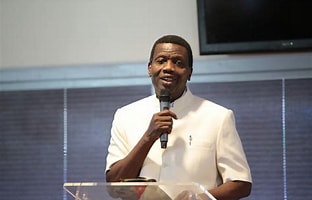
Keep up with the latest news and be part of our weekly giveaways and airtime sharing; follow our WhatsApp channel for more updates. Click to Follow us
Pastor Enoch Adeboye, the General Overseer of the Redeemed Christian Church of God (RCCG), has sparked a heated debate by announcing plans for national prayers regarding Nigeria’s current economic hardship. Critics view this as a sharp contrast to his active involvement in the protests against the removal of fuel subsidies under former President Goodluck Jonathan in 2012.
Adeboye spearheaded public protests in 2012 against Jonathan’s subsidy withdrawal policy, calling it cruel and inconsiderate of the plight of common Nigerians, along with other religious leaders and civil society organizations. The demonstrations, which attracted sizable numbers, were regarded as a turning point in Nigeria’s civic opposition to economic policies that were thought to be anti-people.
In 2025, Adeboye has so far called for national prayers rather than protests in response to President Bola Tinubu’s elimination of fuel subsidies, which caused severe suffering in the nation.
Given that Jonathan, who was the target of widespread protests, is Ijaw and Tinubu, like Adeboye, is from the Yoruba ethnic group, this has led to accusations of hypocrisy and, in some places, tribal bias.
“The silence of some influential clerics who once marched on the streets is deafening. Is it because the current president is one of theirs?” a social commentator posted on social media, expressing the opinion of many Nigerians who believe that, in contrast to 2012, the response to adversity seems more subdued today.
Pastor Adeboye’s supporters contend that rather than confronting the current crisis, spiritual assistance is necessary since Nigeria’s problems are more complicated and demand for both government reforms and heavenly direction.
Special prayer sessions are planned for the upcoming weeks as RCCG parishes around the country mobilize in response to Adeboye’s request for continuous prayers.
The argument concerning the role of religious leaders during difficult times and the impact of ethnicity on their response is still hotly debated as Nigerians struggle with the country’s growing cost of living.
Please don’t forget to “Allow the notification” so you will be the first to get our gist when we publish it.
Drop your comment in the section below, and don’t forget to share the post.