Mazi Nwokpor Jonathan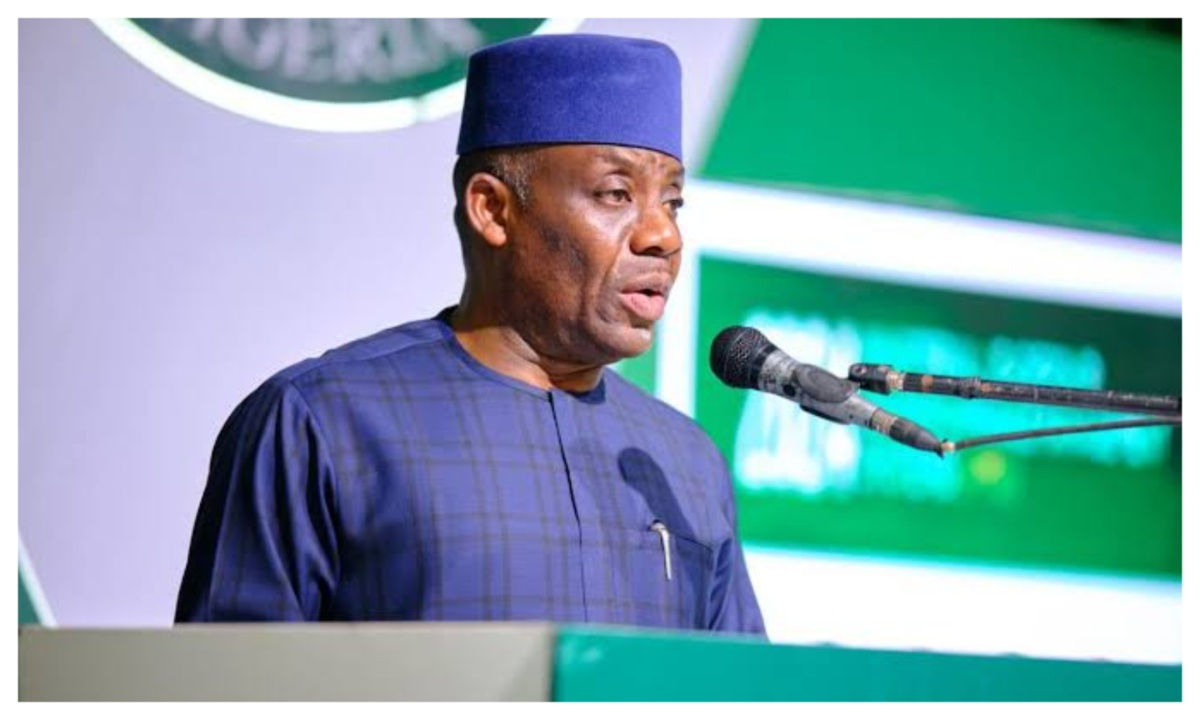
Keep up with the latest news and be part of our weekly giveaways and airtime sharing; follow our WhatsApp channel for more updates. Click to Follow us
The Federal Government has unveiled plans to discontinue the long-standing policy that separates Junior Secondary Schools (JSS) from Senior Secondary Schools (SSS), citing its role in worsening the country’s school dropout rate.
The announcement was made on Tuesday in Abuja by the Minister of Education, Dr. Tunji Alausa, during the inauguration of the Universal Basic Education Commission (UBEC) Ministerial Implementation and Monitoring Committee.
Alausa disclosed that the existing structure has left millions of children stranded between primary and junior secondary education, describing the current arrangement as ineffective.
“We have 20 million dropouts from primary school to JSS. Where are those students? We also found we have 80,000 public primary schools and only about 15,000 junior secondary schools. That’s a one-to-eight ratio,” Alausa said.
The minister explained that the limited number of junior secondary schools has placed enormous pressure on available facilities, leading to overcrowded classrooms, while many senior secondary schools, especially in Kaduna and other northern states, remain underused.
He argued that the model of operating JSS and SSS as separate institutions under different principals and administrative structures has not delivered the intended results.
“This disarticulation policy has failed. We will phase it out. We can’t be creating positions because we want to create a director level for people while we harm our education system. It’s about doing what is best for every Nigerian child,” he said.
Alausa revealed that the proposal to abolish the separation policy will be tabled at the next meeting of the National Council on Education for consideration.
He stated that the planned reform is designed to improve access to secondary education and ensure that more pupils successfully transition to senior secondary school.
“This government will not fail. We are fixing it,” Alausa said.
During the event, the minister also inaugurated a monitoring committee headed by Prof. Rashid Aderinoye to oversee the implementation of UBEC-funded smart schools, bilingual schools, and alternative learning centres nationwide.
According to him, the committee has been tasked with ensuring that the projects are completed, formally handed over to state governments, and made operational for academic activities.
Alausa expressed concern that many schools constructed with public funds have either remained incomplete or are yet to admit students, describing the situation as an unacceptable misuse of government resources.
Please don’t forget to “Allow the notification” so you will be the first to get our gist when we publish it.
Drop your comment in the section below, and don’t forget to share the post.