Mazi Nwokpor Jonathan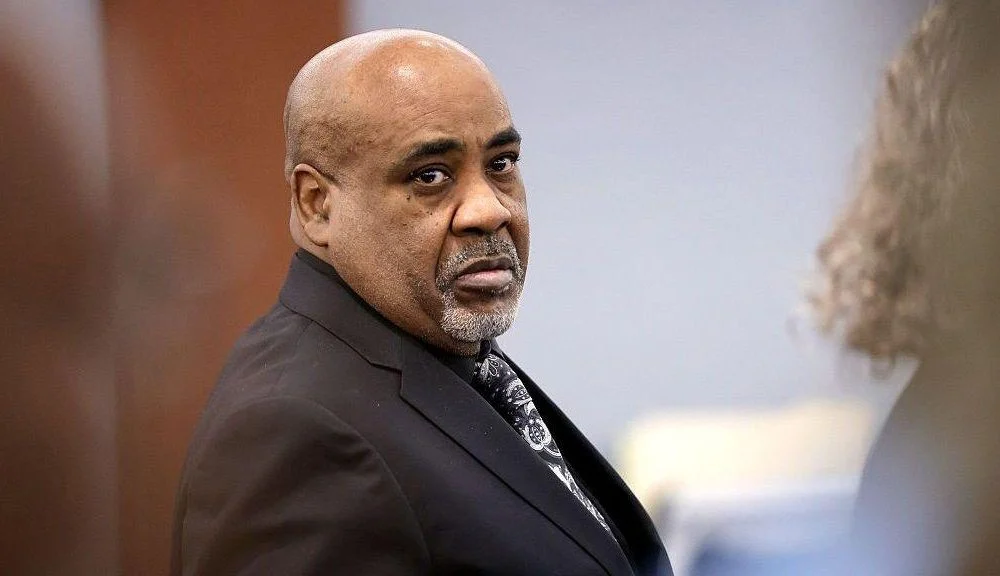
Keep up with the latest news and be part of our weekly giveaways and airtime sharing; follow our WhatsApp channel for more updates. Click to Follow us
Former South Side Compton Crips gang leader Duane “Keffe D” Davis has been convicted over the 1996 killing of legendary rapper Tupac Shakur, bringing a major development to one of hip-hop’s longest-running murder mysteries.
A 12-member jury in Las Vegas unanimously found the 63-year-old guilty of first-degree murder with a deadly weapon after deliberating for less than three hours.
The verdict represents the first conviction in the nearly three-decade-old case and leaves Davis facing the possibility of life imprisonment without parole.
Davis had maintained a not-guilty plea throughout the trial and told the judge following the verdict that he “plans to appeal this matter.”
Emotions ran high inside the courtroom as the verdict was announced.
Tupac’s sister, Sekyiwa “Set” Shakur, reportedly broke down in tears, while Davis’ son covered his face with one hand.
Several people in the courtroom gallery were also seen wiping away tears and embracing members of the prosecution team.
Prosecutors relied heavily on statements Davis had made publicly over the years, including details contained in his 2019 memoir and recorded conversations with investigators.
In those statements, Davis admitted that he was inside the white Cadillac linked to the shooting and claimed that he supplied the firearm used in the attack.
The prosecution acknowledged inconsistencies in some of Davis’ accounts but argued that one key detail remained consistent — his presence inside the vehicle involved in the shooting.
Chief Deputy District Attorney Binu Palal told jurors that Davis’ own statements could establish his involvement if they believed his account.
The defence, however, maintained that Davis had exaggerated his role and engaged in “bravado” to promote his memoir and boost his public image.
Defence lawyers also argued that his statements lacked sufficient independent corroboration.
The jury, however, rejected the defence’s position.
Prosecutors told the court that the killing was allegedly carried out in retaliation for a confrontation earlier that night involving Tupac’s entourage and Davis’ nephew, Orlando “Baby Lane” Anderson.
Evidence presented during the trial indicated that Tupac and members of his entourage had assaulted Anderson at a Las Vegas casino.
Davis later claimed that he became furious over the incident and joined three other men inside a white Cadillac to search for Tupac and Death Row Records executive Marion “Suge” Knight.
He told investigators that he passed a gun toward the back seat of the vehicle after they located Tupac and Knight.
According to prosecutors, one of the occupants seated in the back then opened fire.
Tupac was waiting at a red light on September 7, 1996, when the white Cadillac reportedly pulled alongside his vehicle and gunshots rang out.
The rapper sustained multiple gunshot wounds and died six days later at the age of 25.
Although prosecutors accused Davis of playing a central role in organising the attack, they did not identify the person who fired the fatal shots.
The other three men believed to have been inside the Cadillac have since died.
Under Nevada law, prosecutors were not required to prove that Davis personally pulled the trigger before securing a murder conviction.
Tupac’s stepbrother, Mopreme Shakur, had earlier expressed cautious optimism about the trial while acknowledging the emotional burden created by decades of uncertainty.
Speaking about the night Tupac was shot, Mopreme recalled travelling to Las Vegas and sitting beside his brother in hospital as the family hoped he would survive.
However, he said the outcome of the trial could never completely provide the justice his family truly wanted.
“The justice I would like, I’ll never get. I want my little brother back,” Mopreme said.
His words reflected the deep emotional significance of the verdict for Tupac’s family nearly 30 years after the rapper’s death.
Tupac Shakur’s murder remains one of the most defining events in the history of 1990s hip-hop.
His death came during a period of intense rivalry between factions linked to the West Coast and East Coast rap scenes.
Shakur was one of the most commercially successful and influential rappers of his generation and was closely associated with Death Row Records and the Mob Piru street gang.
Davis, meanwhile, was identified as a leader within the rival South Side Compton Crips.
The killing triggered decades of speculation, conspiracy theories and conflicting accounts surrounding what happened on the night of the shooting.
For many years, no one was formally charged in connection with the murder.
That changed in 2023 when Davis was arrested and charged after years of publicly discussing his alleged involvement in the events surrounding Tupac’s death.
Prosecutors later relied heavily on those public statements, his memoir and recordings of conversations with investigators during the trial.
The trial began on August 17 and featured testimony from dozens of witnesses, as well as several hours of recorded conversations.
With the jury now reaching its decision, the nearly 30-year mystery surrounding Tupac’s murder has entered another significant chapter.
However, Davis has vowed to appeal, while the identity of the person who actually fired the fatal shots remains officially unresolved.
The legal battle surrounding one of the most famous murders in music history may therefore not yet be over.
Please don’t forget to “Allow the notification” so you will be the first to get our gist when we publish it.
Drop your comment in the section below, and don’t forget to share the post.