Mazi Nwokpor Jonathan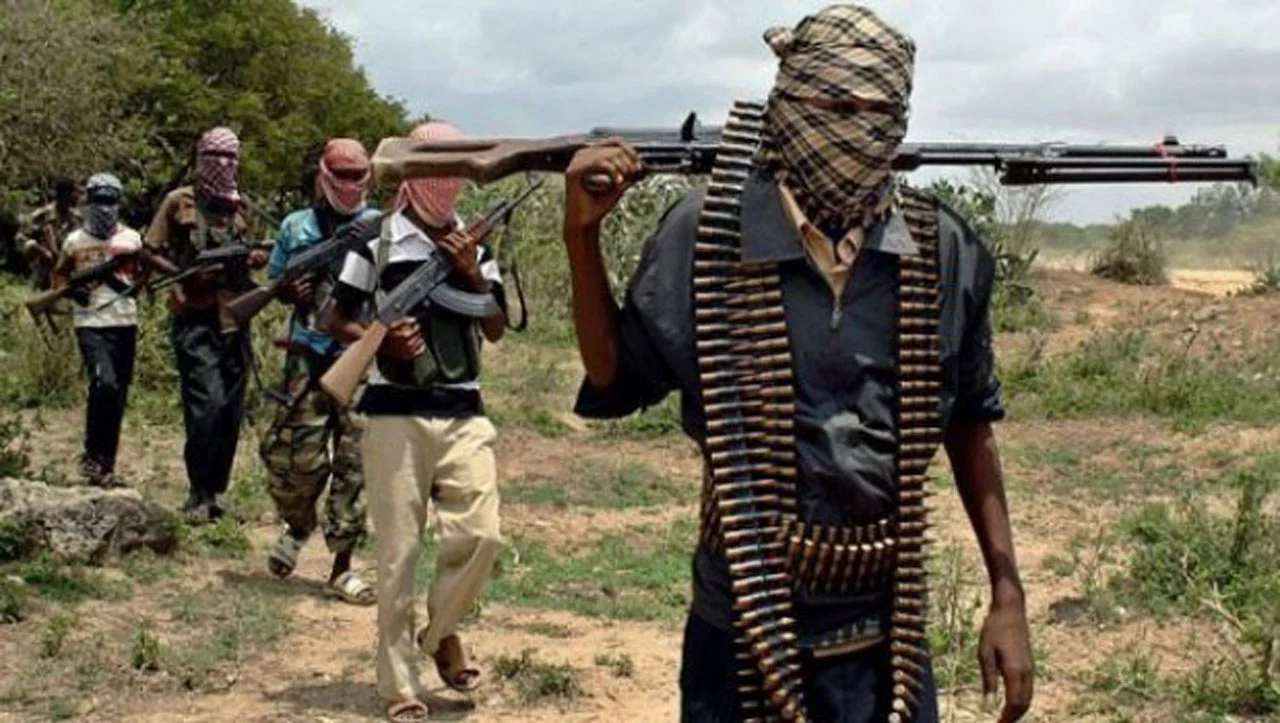
Keep up with the latest news and be part of our weekly giveaways and airtime sharing; follow our WhatsApp channel for more updates. Click to Follow us
Nigeria’s prolonged security crisis appears to be entering a more dangerous phase, with armed bandits reportedly gaining access to increasingly sophisticated weapons, including rocket launchers.
On October 2, the Sokoto State Police Command announced the recovery of at least two rocket launchers alongside other dangerous weapons following an attack by armed men on Tsabre Village in Isa Local Government Area.
ZINGTIE reports that the discovery has intensified concerns about the growing firepower of criminal groups, particularly in the North-West and North-Central regions, where attacks have claimed numerous lives and left several others abducted for ransom.
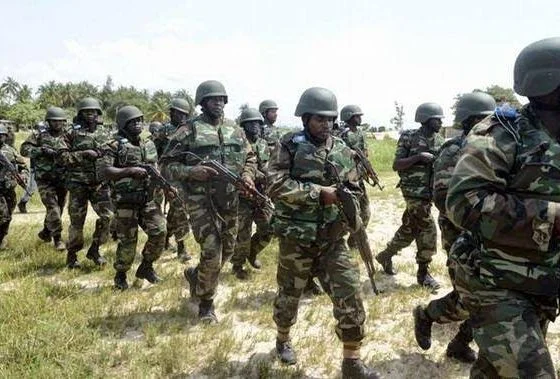
Bandits have traditionally relied on assault rifles and other firearms to raid communities, attack places of worship, ambush security personnel, abduct residents and demand payments from victims’ families.
However, reports that these groups are obtaining more powerful weapons, including rocket launchers, have renewed concerns about where their arms originate, how they are supplied and the possible consequences for military operations against them.
How do bandits obtain their weapons?
Over the years, allegations have emerged that helicopters are being used to transport weapons and other supplies to forest locations, particularly in the North-West, where armed groups continue to terrorise communities.
In 2021, former President Muhammadu Buhari imposed a no-fly zone over Zamfara State as part of efforts to restrict the movement of weapons and supplies to bandits operating in the state and neighbouring areas.
Despite the restriction, disturbing videos later circulated online, allegedly showing helicopters landing in remote forest locations where non-state armed groups were reportedly present. The footage raised questions about whether weapons and other materials were being transported to the groups.
Security experts have also identified the illegal movement of firearms across Nigeria’s extensive and porous borders as a significant challenge, particularly along the country’s frontier with the Republic of Niger.
Meanwhile, influential individuals linked to illegal gold mining have been accused of sponsoring insecurity in parts of northern Nigeria, allegedly to facilitate access to the region’s mineral resources.
In March 2021, a repentant bandit reportedly implicated government officials during an interview, claiming that authorities knew how armed groups obtained their weapons.
There have also been allegations that some military personnel and commanders sell arms and ammunition intended for operations against terrorism and banditry to criminal groups.
In October 2025, a suspected arms dealer, identified as 30-year-old Nigerien national Shehu Ali Kachalla, reportedly explained how military personnel provided armed escorts and protection for his illegal weapons deliveries to bandit groups in northern Nigeria.
Kachalla was arrested by the Zamfara State Police Command during a joint operation involving the Federal Intelligence Bureau and the Special Tactical Squad.
During his parade and interrogation, he reportedly confessed to smuggling more than 450 rifles and 8,000 rounds of ammunition from the Republic of Niger into Nigeria and selling them to armed groups operating in Zamfara, Kaduna and Niger states.
He disclosed that the weapons were transported in convoys through poorly secured border areas, alleging that “military men usually escort and cover him” during the deliveries.
According to his account, armed soldiers travelled alongside the convoys, providing protection against rival gangs, customs officials and anti-smuggling patrols.
Ransom payments strengthen bandits’ purchasing power
Money obtained through ransom payments has also been identified as a major source of funding that could enable criminal groups to purchase increasingly sophisticated weapons.
An intelligence report by SBM indicated that kidnappers collected at least N7.78 billion in ransom across Nigeria between July 2025 and June 2026, a period during which 7,825 people were reportedly abducted.
The report further estimated that kidnappers demanded approximately N22.856 billion for the release of their victims, although the amount reportedly paid was N7.78 billion.
More recently, parents of 20 prospective National Youth Service Corps (NYSC) members abducted in Imo State alleged that they paid N6 million each to secure their relatives’ release.
Although security agencies said the prospective corps members were rescued during an operation, one of the parents, Alirat Wahab, explained in an interview with News Central TV how her family borrowed money and received contributions from relatives and other people to raise the N6 million allegedly demanded for her son’s freedom.
Wahab said the kidnappers initially demanded N50 million for each abducted prospective corps member before reducing the amount following appeals from the parents.
Security analysts have warned that ransom payments can strengthen the financial resources of criminal groups, potentially enabling them to obtain more advanced weapons and sustain attacks on communities.
Corps members increasingly fear abduction
Young Nigerians participating in the compulsory one-year NYSC programme have also become targets of kidnapping, with armed groups demanding ransom before releasing their captives.
ZINGTIE reports that between August and October 2026, at least 36 serving and prospective corps members were reportedly abducted in separate incidents.
On August 26, at least 16 corps members returning from their orientation camp in Bayelsa State were reportedly attacked and kidnapped by bandits in Kogi State.
The abductors allegedly demanded a substantial ransom, but the victims were subsequently rescued by security operatives through intelligence-led operations.
In another incident on October 1, approximately 20 prospective corps members travelling from the South-West to orientation camps in Abia and Akwa Ibom states were abducted along the Owerri-Onitsha Road in Imo State.
Although accounts differed over whether ransom was paid before their release, the prospective corps members regained their freedom on October 7.
A serving corps member, who identified herself simply as Mary, told ZINGTIE in Abuja that the fear of kidnapping had changed how corps members approached wearing their khaki uniforms in public.
She explained that corps members previously wore their uniforms and distinctive headgear while travelling because they wanted to be recognised as participants in the national service scheme. However, she said the security situation had made many more cautious.
“Before now, I used to see corps members travelling in their khaki uniforms, especially their headgear, because they wanted to be identified as corps members. But the situation has changed now.
“Even within Abuja, not everyone can freely move around in khaki because you don’t know what may happen next.
“I don’t even wear it when I’m going for our Community Development Service (CDS). I just put it inside my bag and change into it immediately I reach the venue. When we are done, I change again.
“I have been longing to travel home, but because of what is happening, I will remain in the city until I’m done serving,” she said.
Fight against banditry must begin at the top, security expert warns
A retired Superintendent of Police, SP Desmond Omale, told ZINGTIE that efforts to combat banditry and terrorism might continue to produce limited results if operations remain focused primarily on the forests where armed groups operate.
According to him, the “main bandits and terrorists are not in the bush; they are somewhere using private jets and enjoying the proceeds of the crime.
“Wherever there is gold or any other important mineral resource, you will see bandits controlling communities there. Go to the mining site and ask one of the miners, ‘Who are you mining for?’
“There is always someone they are mining for. Are you going to say that the government does not know these individuals? In some cases, are governors not benefiting from the mining?
“You don’t arm people and expect them not to use the weapons. The same thing applies to what our politicians are doing. An election is coming, and they are empowering many thugs with arms.
“What happens to the arms when the elections are over? Of course, the politicians will stop paying them, and they will have to find their own ways of making a living using the arms.
“Our leaders are still the problem. We can’t tackle this security issue from the grassroots; it has to start from the top, unless we want to continue to deceive ourselves.
“Military personnel, police officers and other security operatives are dying every day just because of some people’s greed.”
Please don’t forget to “Allow the notification” so you will be the first to get our gist when we publish it.
Drop your comment in the section below, and don’t forget to share the post.